When Dental Pain Strikes, What Should Dentist Cranebrook Residents Do First?
Dental pain has a way of disrupting everything. It rarely appears at a convenient time. Whether it begins as a dull ache while eating dinner or a sudden sharp pain that wakes you overnight, it can be unsettling. Many
Dental pain has a way of disrupting everything. It rarely appears at a convenient time. Whether it begins as a dull ache while eating dinner or a sudden sharp pain that wakes you overnight, it can be unsettling. Many Dentist Cranebrook residents are unsure whether their situation requires an urgent dental appointment or whether it can wait. Understanding what qualifies as a Emergency Dentistry Dentistry-dentistry/”>dental Emergency Dentistry and how it is managed can make the experience far less stressful.
Cranebrookemergency
An emergency dentist in Cranebrook focuses on prompt dental pain assessment, stabilising urgent concerns, and guiding patients through the next steps. Emergency care is not about rushing into treatment. It is about careful triage, diagnosis, and protecting your oral health while explaining risks, recovery expectations, and possible alternatives.
What Situations Are Considered a Dental Emergency?
- Not every discomfort requires same day intervention, but certain symptoms should be assessed promptly. Common dental emergencies include:
- Persistent or severe toothache
- Facial swelling
- Broken or chipped tooth
- Knocked out tooth
- Lost
Dental pain has a way of disrupting everything. It rarely appears at a convenient time. Whether it begins as a dull ache while eating dinner or a sudden sharp pain that wakes you overnight, it can be unsettling. Many Cranebrook residents are unsure whether their situation requires an urgent dental appointment or whether it can wait. Understanding what qualifies as a What Situations Are Considered a Dental Emergency?
- Not every discomfort requires same day intervention, but certain symptoms should be assessed promptly. Common dental emergencies include:
- Persistent or severe toothache
- Facial swelling
- Broken or chipped tooth
- Knocked out tooth
- Lost Crowns & Bridgess & Bridges or filling
- Bleeding after extraction
- Signs of dental infection
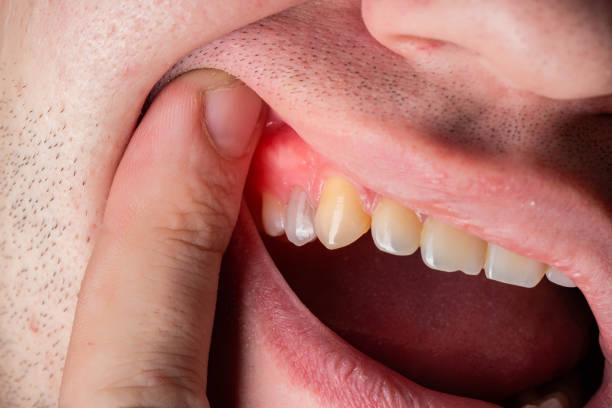
Dental infections and abscess symptoms should never be ignored. Swelling, fever, or difficulty swallowing may indicate infection spread and require urgent assessment. A cracked or fractured tooth may also expose inner layers of the tooth, increasing sensitivity and risk of further damage.
crown
Recognising these symptoms early allows for temporary stabilisation treatment before more definitive care is completed.
How Does an Emergency Dental Appointment Typically Work?
An urgent dental appointment in Cranebrook usually begins with a structured triage process. The goal is to identify the cause of discomfort and determine the safest approach.
- Initial steps may include:
- Detailed discussion of symptoms
- Clinical examination
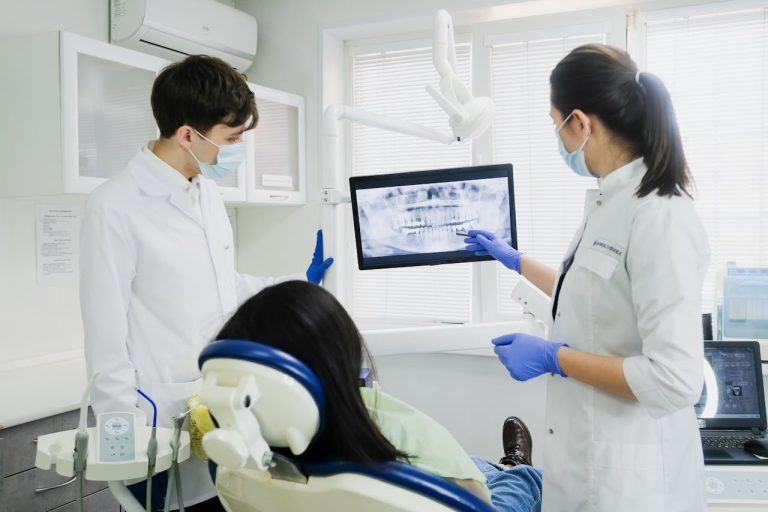
- Digital radiographs if required
- Dental pain assessment
- Explanation of findings
Same day assessment is provided where possible, although availability may vary depending on the nature of the concern. Clear post treatment instructions are always provided, and recovery expectations are explained to ensure patients understand what to expect in the hours or days following treatment.
Table: Emergency Situations and General Management Approach
Emergency Type Possible Cause Immediate Clinical Focus Follow Up Care Severe Toothache Decay or infection Pain assessment and diagnostics Definitive treatment planning Dental Trauma Accident or injury Stabilisation and imaging Review healing progress Swelling Infection Infection control discussion Monitoring and possible further care Lost Restoration Wear or fracture Temporary protection Replacement restoration This structured approach allows patients to feel supported and informed rather than overwhelmed.
Why Should Dental Infections Be Taken Seriously?
Dental infection management is one of the most important aspects of emergency dentistry. When bacteria enter the inner tooth or surrounding tissues, swelling and discomfort can develop quickly. Left untreated, infection can spread beyond the tooth.
Australian health guidance consistently highlights the importance of early intervention for oral infections. Prompt dental pain assessment allows appropriate management and reduces the risk of complications. Treatment options are discussed carefully, including potential risks and variability in recovery between individuals.
What Happens If You Knock Out or Break a Tooth?
Dental trauma to teeth requires timely evaluation. A knocked out tooth may sometimes be repositioned if assessed quickly, although outcomes vary. A broken or chipped tooth may require temporary stabilisation followed by restorative dental treatment once inflammation has settled.
- Immediate clinical focus may include:
- Protecting exposed tooth structure
- Assessing damage to surrounding tissues
- Taking radiographs to evaluate bone support
- Discussing restorative options
- Clear communication ensures patients understand the realistic expectations of treatment and the importance of follow up appointments.
Can Lost Fillings or Crowns Wait?
A lost crown or filling may not always cause severe pain, but it leaves the underlying tooth vulnerable. Temporary protection may be recommended until a replacement restoration can be provided. Even if discomfort is mild, early review helps prevent further structural damage.
Cracked or fractured teeth should also be assessed promptly. Even small fractures can progress under chewing pressure, leading to more complex treatment if delayed.
How Is Pain Managed During an Emergency Visit?
Pain management discussion is a core part of emergency dentistry. The goal is not only to relieve discomfort but also to identify and address the underlying cause. Treatment may involve stabilisation, temporary measures, or planning for
Dental pain has a way of disrupting everything. It rarely appears at a convenient time. Whether it begins as a dull ache while eating dinner or a sudden sharp pain that wakes you overnight, it can be unsettling. Many Cranebrook residents are unsure whether their situation requires an urgent dental appointment or whether it can wait. Understanding what qualifies as a What Situations Are Considered a Dental Emergency?
- Not every discomfort requires same day intervention, but certain symptoms should be assessed promptly. Common dental emergencies include:
- Persistent or severe toothache
- Facial swelling
- Broken or chipped tooth
- Knocked out tooth
- Lost
Dental pain has a way of disrupting everything. It rarely appears at a convenient time. Whether it begins as a dull ache while eating dinner or a sudden sharp pain that wakes you overnight, it can be unsettling. Many Cranebrook residents are unsure whether their situation requires an urgent dental appointment or whether it can wait. Understanding what qualifies as a What Situations Are Considered a Dental Emergency?
- Not every discomfort requires same day intervention, but certain symptoms should be assessed promptly. Common dental emergencies include:
- Persistent or severe toothache
- Facial swelling
- Broken or chipped tooth
- Knocked out tooth
- Lost Crowns & Bridges or filling
- Bleeding after extraction
- Signs of dental infection
Dental infections and abscess symptoms should never be ignored. Swelling, fever, or difficulty swallowing may indicate infection spread and require urgent assessment. A cracked or fractured tooth may also expose inner layers of the tooth, increasing sensitivity and risk of further damage.
crown
Recognising these symptoms early allows for temporary stabilisation treatment before more definitive care is completed.
How Does an Emergency Dental Appointment Typically Work?
An urgent dental appointment in Cranebrook usually begins with a structured triage process. The goal is to identify the cause of discomfort and determine the safest approach.
- Initial steps may include:
- Detailed discussion of symptoms
- Clinical examination
- Digital radiographs if required
- Dental pain assessment
- Explanation of findings
Same day assessment is provided where possible, although availability may vary depending on the nature of the concern. Clear post treatment instructions are always provided, and recovery expectations are explained to ensure patients understand what to expect in the hours or days following treatment.
Table: Emergency Situations and General Management Approach
Emergency Type Possible Cause Immediate Clinical Focus Follow Up Care Severe Toothache Decay or infection Pain assessment and diagnostics Definitive treatment planning Dental Trauma Accident or injury Stabilisation and imaging Review healing progress Swelling Infection Infection control discussion Monitoring and possible further care Lost Restoration Wear or fracture Temporary protection Replacement restoration This structured approach allows patients to feel supported and informed rather than overwhelmed.
Why Should Dental Infections Be Taken Seriously?
Dental infection management is one of the most important aspects of emergency dentistry. When bacteria enter the inner tooth or surrounding tissues, swelling and discomfort can develop quickly. Left untreated, infection can spread beyond the tooth.
Australian health guidance consistently highlights the importance of early intervention for oral infections. Prompt dental pain assessment allows appropriate management and reduces the risk of complications. Treatment options are discussed carefully, including potential risks and variability in recovery between individuals.
What Happens If You Knock Out or Break a Tooth?
Dental trauma to teeth requires timely evaluation. A knocked out tooth may sometimes be repositioned if assessed quickly, although outcomes vary. A broken or chipped tooth may require temporary stabilisation followed by restorative dental treatment once inflammation has settled.
- Immediate clinical focus may include:
- Protecting exposed tooth structure
- Assessing damage to surrounding tissues
- Taking radiographs to evaluate bone support
- Discussing restorative options
- Clear communication ensures patients understand the realistic expectations of treatment and the importance of follow up appointments.
Can Lost Fillings or Crowns Wait?
A lost crown or filling may not always cause severe pain, but it leaves the underlying tooth vulnerable. Temporary protection may be recommended until a replacement restoration can be provided. Even if discomfort is mild, early review helps prevent further structural damage.
Cracked or fractured teeth should also be assessed promptly. Even small fractures can progress under chewing pressure, leading to more complex treatment if delayed.
How Is Pain Managed During an Emergency Visit?
Pain management discussion is a core part of emergency dentistry. The goal is not only to relieve discomfort but also to identify and address the underlying cause. Treatment may involve stabilisation, temporary measures, or planning for Root Canal Treatment Treatment
treatment, extraction, or restorative care depending on the diagnosis.root canal
Individual recovery variability is always discussed. Some procedures may involve temporary sensitivity or mild discomfort as tissues heal. Patients are provided with clear aftercare instructions to support recovery.
Why Is Follow Up Care So Important After Emergency Treatment?
Emergency care is often the first stage of a broader treatment plan. For example, infection control discussion may be followed by definitive restorative treatment once inflammation has reduced. Monitoring healing progress ensures that complications are identified early.
- Follow up care may include:
- Review appointments
- Radiographic monitoring
- Replacement restorations
- Ongoing gum health assessment
- Structured recall systems remain important even after urgent concerns are resolved. Comprehensive dental care continues beyond the emergency appointment.
Where Can Cranebrook Residents Access Responsible Emergency Dental Care?
When urgent dental concerns arise, having access to a clinic that values clear communication and careful assessment makes a significant difference. An emergency dentist in Cranebrook should prioritise accurate diagnosis, transparent explanation of risks and alternatives, and responsible treatment planning.
At M&M Dental Care, we understand that dental emergencies can feel overwhelming. Our approach focuses on prompt assessment, stabilising urgent concerns, and guiding patients through next steps with clarity. Whether you are experiencing toothache, swelling, dental trauma, or a lost restoration,
Dental pain has a way of disrupting everything. It rarely appears at a convenient time. Whether it begins as a dull ache while eating dinner or a sudden sharp pain that wakes you overnight, it can be unsettling. Many Cranebrook residents are unsure whether their situation requires an urgent dental appointment or whether it can wait. Understanding what qualifies as a What Situations Are Considered a Dental Emergency?
- Not every discomfort requires same day intervention, but certain symptoms should be assessed promptly. Common dental emergencies include:
- Persistent or severe toothache
- Facial swelling
- Broken or chipped tooth
- Knocked out tooth
- Lost
Dental pain has a way of disrupting everything. It rarely appears at a convenient time. Whether it begins as a dull ache while eating dinner or a sudden sharp pain that wakes you overnight, it can be unsettling. Many Cranebrook residents are unsure whether their situation requires an urgent dental appointment or whether it can wait. Understanding what qualifies as a What Situations Are Considered a Dental Emergency?
- Not every discomfort requires same day intervention, but certain symptoms should be assessed promptly. Common dental emergencies include:
- Persistent or severe toothache
- Facial swelling
- Broken or chipped tooth
- Knocked out tooth
- Lost Crowns & Bridges or filling
- Bleeding after extraction
- Signs of dental infection
Dental infections and abscess symptoms should never be ignored. Swelling, fever, or difficulty swallowing may indicate infection spread and require urgent assessment. A cracked or fractured tooth may also expose inner layers of the tooth, increasing sensitivity and risk of further damage.
crown
Recognising these symptoms early allows for temporary stabilisation treatment before more definitive care is completed.
How Does an Emergency Dental Appointment Typically Work?
An urgent dental appointment in Cranebrook usually begins with a structured triage process. The goal is to identify the cause of discomfort and determine the safest approach.
- Initial steps may include:
- Detailed discussion of symptoms
- Clinical examination
- Digital radiographs if required
- Dental pain assessment
- Explanation of findings
Same day assessment is provided where possible, although availability may vary depending on the nature of the concern. Clear post treatment instructions are always provided, and recovery expectations are explained to ensure patients understand what to expect in the hours or days following treatment.
Table: Emergency Situations and General Management Approach
Emergency Type Possible Cause Immediate Clinical Focus Follow Up Care Severe Toothache Decay or infection Pain assessment and diagnostics Definitive treatment planning Dental Trauma Accident or injury Stabilisation and imaging Review healing progress Swelling Infection Infection control discussion Monitoring and possible further care Lost Restoration Wear or fracture Temporary protection Replacement restoration This structured approach allows patients to feel supported and informed rather than overwhelmed.
Why Should Dental Infections Be Taken Seriously?
Dental infection management is one of the most important aspects of emergency dentistry. When bacteria enter the inner tooth or surrounding tissues, swelling and discomfort can develop quickly. Left untreated, infection can spread beyond the tooth.
Australian health guidance consistently highlights the importance of early intervention for oral infections. Prompt dental pain assessment allows appropriate management and reduces the risk of complications. Treatment options are discussed carefully, including potential risks and variability in recovery between individuals.
What Happens If You Knock Out or Break a Tooth?
Dental trauma to teeth requires timely evaluation. A knocked out tooth may sometimes be repositioned if assessed quickly, although outcomes vary. A broken or chipped tooth may require temporary stabilisation followed by restorative dental treatment once inflammation has settled.
- Immediate clinical focus may include:
- Protecting exposed tooth structure
- Assessing damage to surrounding tissues
- Taking radiographs to evaluate bone support
- Discussing restorative options
- Clear communication ensures patients understand the realistic expectations of treatment and the importance of follow up appointments.
Can Lost Fillings or Crowns Wait?
A lost crown or filling may not always cause severe pain, but it leaves the underlying tooth vulnerable. Temporary protection may be recommended until a replacement restoration can be provided. Even if discomfort is mild, early review helps prevent further structural damage.
Cracked or fractured teeth should also be assessed promptly. Even small fractures can progress under chewing pressure, leading to more complex treatment if delayed.
How Is Pain Managed During an Emergency Visit?
Pain management discussion is a core part of emergency dentistry. The goal is not only to relieve discomfort but also to identify and address the underlying cause. Treatment may involve stabilisation, temporary measures, or planning for
Dental pain has a way of disrupting everything. It rarely appears at a convenient time. Whether it begins as a dull ache while eating dinner or a sudden sharp pain that wakes you overnight, it can be unsettling. Many Cranebrook residents are unsure whether their situation requires an urgent dental appointment or whether it can wait. Understanding what qualifies as a What Situations Are Considered a Dental Emergency?
- Not every discomfort requires same day intervention, but certain symptoms should be assessed promptly. Common dental emergencies include:
- Persistent or severe toothache
- Facial swelling
- Broken or chipped tooth
- Knocked out tooth
- Lost
Dental pain has a way of disrupting everything. It rarely appears at a convenient time. Whether it begins as a dull ache while eating dinner or a sudden sharp pain that wakes you overnight, it can be unsettling. Many Cranebrook residents are unsure whether their situation requires an urgent dental appointment or whether it can wait. Understanding what qualifies as a What Situations Are Considered a Dental Emergency?
- Not every discomfort requires same day intervention, but certain symptoms should be assessed promptly. Common dental emergencies include:
- Persistent or severe toothache
- Facial swelling
- Broken or chipped tooth
- Knocked out tooth
- Lost Crowns & Bridges or filling
- Bleeding after extraction
- Signs of dental infection
Dental infections and abscess symptoms should never be ignored. Swelling, fever, or difficulty swallowing may indicate infection spread and require urgent assessment. A cracked or fractured tooth may also expose inner layers of the tooth, increasing sensitivity and risk of further damage.
crown
Recognising these symptoms early allows for temporary stabilisation treatment before more definitive care is completed.
How Does an Emergency Dental Appointment Typically Work?
An urgent dental appointment in Cranebrook usually begins with a structured triage process. The goal is to identify the cause of discomfort and determine the safest approach.
- Initial steps may include:
- Detailed discussion of symptoms
- Clinical examination
- Digital radiographs if required
- Dental pain assessment
- Explanation of findings
Same day assessment is provided where possible, although availability may vary depending on the nature of the concern. Clear post treatment instructions are always provided, and recovery expectations are explained to ensure patients understand what to expect in the hours or days following treatment.
Table: Emergency Situations and General Management Approach
Emergency Type Possible Cause Immediate Clinical Focus Follow Up Care Severe Toothache Decay or infection Pain assessment and diagnostics Definitive treatment planning Dental Trauma Accident or injury Stabilisation and imaging Review healing progress Swelling Infection Infection control discussion Monitoring and possible further care Lost Restoration Wear or fracture Temporary protection Replacement restoration This structured approach allows patients to feel supported and informed rather than overwhelmed.
Why Should Dental Infections Be Taken Seriously?
Dental infection management is one of the most important aspects of emergency dentistry. When bacteria enter the inner tooth or surrounding tissues, swelling and discomfort can develop quickly. Left untreated, infection can spread beyond the tooth.
Australian health guidance consistently highlights the importance of early intervention for oral infections. Prompt dental pain assessment allows appropriate management and reduces the risk of complications. Treatment options are discussed carefully, including potential risks and variability in recovery between individuals.
What Happens If You Knock Out or Break a Tooth?
Dental trauma to teeth requires timely evaluation. A knocked out tooth may sometimes be repositioned if assessed quickly, although outcomes vary. A broken or chipped tooth may require temporary stabilisation followed by restorative dental treatment once inflammation has settled.
- Immediate clinical focus may include:
- Protecting exposed tooth structure
- Assessing damage to surrounding tissues
- Taking radiographs to evaluate bone support
- Discussing restorative options
- Clear communication ensures patients understand the realistic expectations of treatment and the importance of follow up appointments.
Can Lost Fillings or Crowns Wait?
A lost crown or filling may not always cause severe pain, but it leaves the underlying tooth vulnerable. Temporary protection may be recommended until a replacement restoration can be provided. Even if discomfort is mild, early review helps prevent further structural damage.
Cracked or fractured teeth should also be assessed promptly. Even small fractures can progress under chewing pressure, leading to more complex treatment if delayed.
How Is Pain Managed During an Emergency Visit?
Pain management discussion is a core part of emergency dentistry. The goal is not only to relieve discomfort but also to identify and address the underlying cause. Treatment may involve stabilisation, temporary measures, or planning for Root Canal Treatment treatment, extraction, or restorative care depending on the diagnosis.
root canal
Individual recovery variability is always discussed. Some procedures may involve temporary sensitivity or mild discomfort as tissues heal. Patients are provided with clear aftercare instructions to support recovery.
Why Is Follow Up Care So Important After Emergency Treatment?
Emergency care is often the first stage of a broader treatment plan. For example, infection control discussion may be followed by definitive restorative treatment once inflammation has reduced. Monitoring healing progress ensures that complications are identified early.
- Follow up care may include:
- Review appointments
- Radiographic monitoring
- Replacement restorations
- Ongoing gum health assessment
- Structured recall systems remain important even after urgent concerns are resolved. Comprehensive dental care continues beyond the emergency appointment.
Where Can Cranebrook Residents Access Responsible Emergency Dental Care?
When urgent dental concerns arise, having access to a clinic that values clear communication and careful assessment makes a significant difference. An emergency dentist in Cranebrook should prioritise accurate diagnosis, transparent explanation of risks and alternatives, and responsible treatment planning.
At M&M Dental Care, we understand that dental emergencies can feel overwhelming. Our approach focuses on prompt assessment, stabilising urgent concerns, and guiding patients through next steps with clarity. Whether you are experiencing toothache, swelling, dental trauma, or a lost restoration, Our Team provides balanced information and clear aftercare instructions. We emphasise infection management, careful diagnostics, and personalised follow up planning to support long term oral health stability. Cranebrook residents can feel reassured knowing that emergency care at M&M Dental Care is delivered with professionalism, transparency, and a commitment to patient centred treatment.
our team
References
Australian Institute of Health and Welfare. Oral health and dental care in Australia.https://www.aihw.gov.au/reports/dental-oral-health/oral-health-and-dental-care-in-australia
Australian Government Department of Health. National Oral Health Plan 2015 to 2024.https://www.health.gov.au/resources/publications/national-oral-health-plan-2015-2024
Healthdirect Australia. Toothache and dental abscess information.https://www.healthdirect.gov.au/toothache
Frequently Asked Questions
1. What should I do if I have sudden tooth pain?
Arrange a dental pain assessment as soon as possible. Early evaluation helps identify the cause and prevent complications.
2. Is facial swelling always an emergency?
Facial swelling can indicate infection and should be assessed promptly to determine appropriate management.
3. Can a chipped tooth wait a few weeks?
Even minor fractures should be reviewed to prevent further damage or infection.
4. What happens if I lose a crown?
The exposed tooth should be protected and reviewed promptly to avoid structural deterioration.
5. Are emergency dental procedures painful?
Modern techniques aim to manage discomfort effectively. Recovery experiences vary between individuals.
6. Will I need more treatment after an emergency visit?
Emergency care often stabilises the issue first. Definitive treatment planning may follow depending on the diagnosis.
DisclaimerAll dental procedures involve potential risks and benefits. The information provided in this blog is general in nature and should not be taken as medical advice. We recommend that you seek guidance from a suitably qualified health professional before making decisions about your oral health. Where appropriate, you may also wish to consider obtaining a second opinion.Any images or videos featured are shared with the informed consent of our patients and are intended for educational purposes only. They are not a guarantee of results, as every patient is unique. Treatment outcomes — including recovery, potential complications, and effectiveness — can vary from person to person.