What Does Complete Oral Health Really Mean for Dentist Cranebrook Residents?
Have you ever wondered whether brushing twice a day is really enough to protect your smile long term? Many people in
Have you ever wondered whether brushing twice a day is really enough to protect your smile long term? Many people in Dentist Cranebrook assume that if their teeth do not hurt, everything must be fine. The truth is that oral health is far more than reacting to pain. It is about prevention, early diagnosis, maintenance, and understanding how each part of your mouth works together. Dentist Cranebrook dental services are designed to support comprehensive dental care, not just occasional treatment.
Cranebrook
Complete oral health solutions focus on maintaining healthy teeth and gums through preventative dentistry, structured recall systems, restorative support when needed, and clear communication about risks and alternatives. A dental
Have you ever wondered whether brushing twice a day is really enough to protect your smile long term? Many people in Cranebrook assume that if their teeth do not hurt, everything must be fine. The truth is that oral health is far more than reacting to pain. It is about prevention, early diagnosis, maintenance, and understanding how each part of your mouth works together. Cranebrook dental services are designed to support comprehensive dental care, not just occasional treatment.
Complete oral health solutions focus on maintaining healthy teeth and gums through preventative dentistry, structured recall systems, restorative support when needed, and clear communication about risks and alternatives. A dental Check-Up & Clean & Clean and clean is often the starting point, but comprehensive care goes much further.
check up
How Do Preventative Dental Services Protect Your Long Term Oral Health?
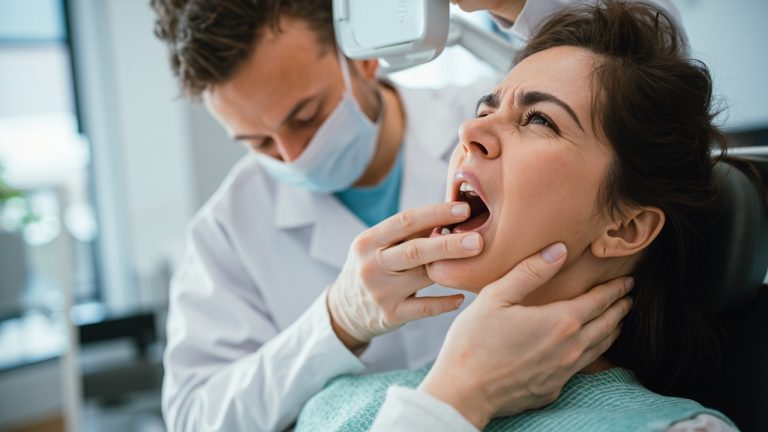
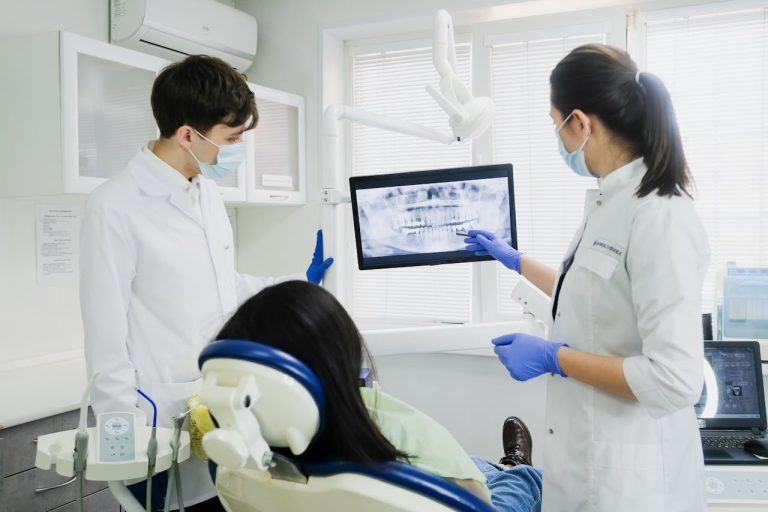
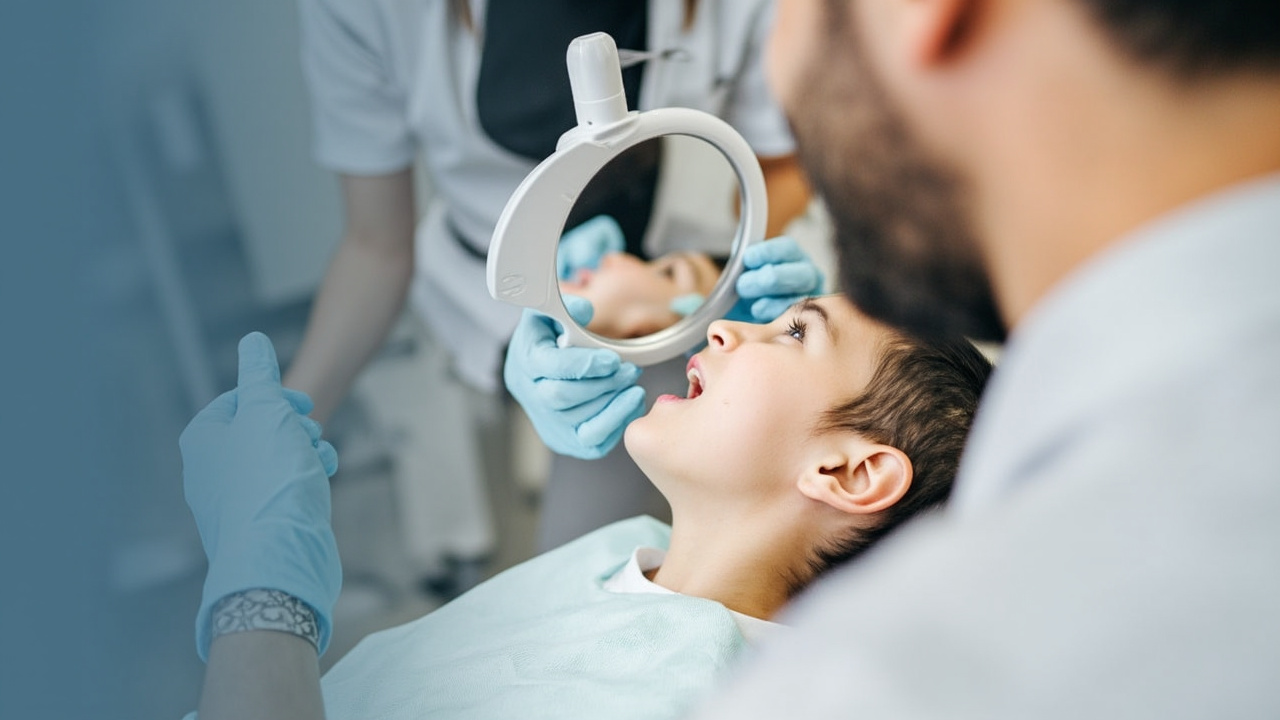
Preventative oral care forms the foundation of comprehensive dental care in Cranebrook. A routine oral health assessment allows early diagnosis of dental conditions before they become complex. During an examination, digital radiographs, intraoral imaging, and bite analysis may assist in identifying hidden decay or gum concerns.
- Preventative services typically include:
- Comprehensive examination
- Scale and clean
- Fluoride application
- Fissure sealants
- Oral cancer screening
Fluoride guidance is particularly important. Australian data shows that fluoride exposure helps reduce the risk of tooth decay across all age groups. Regular preventative visits also support gum health management, which plays a major role in overall wellbeing.
Table: Overview of Core Dental Service Types
| Service Category | Purpose | Clinical Considerations | Ongoing Care Required | ||||||||||||||||||||||||||||||||||||||||||||||||||||||||||||||||||||||||||||||
|---|---|---|---|---|---|---|---|---|---|---|---|---|---|---|---|---|---|---|---|---|---|---|---|---|---|---|---|---|---|---|---|---|---|---|---|---|---|---|---|---|---|---|---|---|---|---|---|---|---|---|---|---|---|---|---|---|---|---|---|---|---|---|---|---|---|---|---|---|---|---|---|---|---|---|---|---|---|---|---|---|---|
| Preventative Care | Maintain oral health and detect early issues | May not prevent all disease progression | 6 to 12 month reviews | ||||||||||||||||||||||||||||||||||||||||||||||||||||||||||||||||||||||||||||||
| Restorative Treatment | Repair damaged or decayed teeth | Longevity varies between individuals | Maintenance and monitoring | ||||||||||||||||||||||||||||||||||||||||||||||||||||||||||||||||||||||||||||||
| Periodontal Care | Manage Have you ever wondered whether brushing twice a day is really enough to protect your smile long term? Many people in Cranebrook assume that if their teeth do not hurt, everything must be fine. The truth is that oral health is far more than reacting to pain. It is about prevention, early diagnosis, maintenance, and understanding how each part of your mouth works together. Cranebrook dental services are designed to support comprehensive dental care, not just occasional treatment. Complete oral health solutions focus on maintaining healthy teeth and gums through preventative dentistry, structured recall systems, restorative support when needed, and clear communication about risks and alternatives. A dental Have you ever wondered whether brushing twice a day is really enough to protect your smile long term? Many people in Cranebrook assume that if their teeth do not hurt, everything must be fine. The truth is that oral health is far more than reacting to pain. It is about prevention, early diagnosis, maintenance, and understanding how each part of your mouth works together. Cranebrook dental services are designed to support comprehensive dental care, not just occasional treatment. Complete oral health solutions focus on maintaining healthy teeth and gums through preventative dentistry, structured recall systems, restorative support when needed, and clear communication about risks and alternatives. A dental Check-Up & Clean and clean is often the starting point, but comprehensive care goes much further. check up How Do Preventative Dental Services Protect Your Long Term Oral Health?Preventative oral care forms the foundation of comprehensive dental care in Cranebrook. A routine oral health assessment allows early diagnosis of dental conditions before they become complex. During an examination, digital radiographs, intraoral imaging, and bite analysis may assist in identifying hidden decay or gum concerns.
Fluoride guidance is particularly important. Australian data shows that fluoride exposure helps reduce the risk of tooth decay across all age groups. Regular preventative visits also support gum health management, which plays a major role in overall wellbeing. Table: Overview of Core Dental Service Types
Preventative dentistry also involves oral health education. Diet and enamel protection advice, brushing technique instruction, and personalised hygiene support help reduce long term complications. This structured approach supports long term oral health maintenance rather than short term fixes. When Is Restorative Treatment Part of a Complete Oral Health Plan?Even with consistent preventative care, restorative dental treatment may sometimes be necessary. Tooth coloured restorations, Have you ever wondered whether brushing twice a day is really enough to protect your smile long term? Many people in Cranebrook assume that if their teeth do not hurt, everything must be fine. The truth is that oral health is far more than reacting to pain. It is about prevention, early diagnosis, maintenance, and understanding how each part of your mouth works together. Cranebrook dental services are designed to support comprehensive dental care, not just occasional treatment. Complete oral health solutions focus on maintaining healthy teeth and gums through preventative dentistry, structured recall systems, restorative support when needed, and clear communication about risks and alternatives. A dental check up and clean is often the starting point, but comprehensive care goes much further. How Do Preventative Dental Services Protect Your Long Term Oral Health?Preventative oral care forms the foundation of comprehensive dental care in Cranebrook. A routine oral health assessment allows early diagnosis of dental conditions before they become complex. During an examination, digital radiographs, intraoral imaging, and bite analysis may assist in identifying hidden decay or gum concerns.
Fluoride guidance is particularly important. Australian data shows that fluoride exposure helps reduce the risk of tooth decay across all age groups. Regular preventative visits also support gum health management, which plays a major role in overall wellbeing. Table: Overview of Core Dental Service Types
Preventative dentistry also involves oral health education. Diet and enamel protection advice, brushing technique instruction, and personalised hygiene support help reduce long term complications. This structured approach supports long term oral health maintenance rather than short term fixes. When Is Restorative Treatment Part of a Complete Oral Health Plan?Even with consistent preventative care, restorative dental treatment may sometimes be necessary. Tooth coloured restorations, Crowns & Bridgess & Bridges, Crowns & Bridges-and-bridges/”>bridges, dentures, and Have you ever wondered whether brushing twice a day is really enough to protect your smile long term? Many people in Cranebrook assume that if their teeth do not hurt, everything must be fine. The truth is that oral health is far more than reacting to pain. It is about prevention, early diagnosis, maintenance, and understanding how each part of your mouth works together. Cranebrook dental services are designed to support comprehensive dental care, not just occasional treatment. Complete oral health solutions focus on maintaining healthy teeth and gums through preventative dentistry, structured recall systems, restorative support when needed, and clear communication about risks and alternatives. A dental check up and clean is often the starting point, but comprehensive care goes much further. How Do Preventative Dental Services Protect Your Long Term Oral Health?Preventative oral care forms the foundation of comprehensive dental care in Cranebrook. A routine oral health assessment allows early diagnosis of dental conditions before they become complex. During an examination, digital radiographs, intraoral imaging, and bite analysis may assist in identifying hidden decay or gum concerns.
Fluoride guidance is particularly important. Australian data shows that fluoride exposure helps reduce the risk of tooth decay across all age groups. Regular preventative visits also support gum health management, which plays a major role in overall wellbeing. Table: Overview of Core Dental Service Types
Preventative dentistry also involves oral health education. Diet and enamel protection advice, brushing technique instruction, and personalised hygiene support help reduce long term complications. This structured approach supports long term oral health maintenance rather than short term fixes. When Is Restorative Treatment Part of a Complete Oral Health Plan?Even with consistent preventative care, restorative dental treatment may sometimes be necessary. Tooth coloured restorations, Have you ever wondered whether brushing twice a day is really enough to protect your smile long term? Many people in Cranebrook assume that if their teeth do not hurt, everything must be fine. The truth is that oral health is far more than reacting to pain. It is about prevention, early diagnosis, maintenance, and understanding how each part of your mouth works together. Cranebrook dental services are designed to support comprehensive dental care, not just occasional treatment. Complete oral health solutions focus on maintaining healthy teeth and gums through preventative dentistry, structured recall systems, restorative support when needed, and clear communication about risks and alternatives. A dental check up and clean is often the starting point, but comprehensive care goes much further. How Do Preventative Dental Services Protect Your Long Term Oral Health?Preventative oral care forms the foundation of comprehensive dental care in Cranebrook. A routine oral health assessment allows early diagnosis of dental conditions before they become complex. During an examination, digital radiographs, intraoral imaging, and bite analysis may assist in identifying hidden decay or gum concerns.
Fluoride guidance is particularly important. Australian data shows that fluoride exposure helps reduce the risk of tooth decay across all age groups. Regular preventative visits also support gum health management, which plays a major role in overall wellbeing. Table: Overview of Core Dental Service Types
Preventative dentistry also involves oral health education. Diet and enamel protection advice, brushing technique instruction, and personalised hygiene support help reduce long term complications. This structured approach supports long term oral health maintenance rather than short term fixes. When Is Restorative Treatment Part of a Complete Oral Health Plan?Even with consistent preventative care, restorative dental treatment may sometimes be necessary. Tooth coloured restorations, Crowns & Bridges, Crowns & Bridges-and-bridges/”>bridges, dentures, and Root Canal Treatment Treatment treatment are designed to repair damage while preserving as much natural structure as possible. root canalcrowns
Each option involves a detailed treatment planning consultation. Suitability is assessed individually, and risks and alternatives are clearly explained before any procedure proceeds. Maintenance requirements are also discussed, as restorations require monitoring over time. Gum health management may accompany restorative care. Periodontal assessment and deep cleaning can stabilise gum conditions before placing crowns or other restorations. This integrated approach reflects comprehensive dental care rather than isolated procedures. Why Is Gum Health So Central to Comprehensive Dental Care?Gum health is often overlooked because symptoms can be subtle in the early stages. Periodontal charting allows clinicians to measure gum pockets and identify inflammation. Early diagnosis supports intervention before bone loss progresses.
National oral health data indicates that gum disease is common among Australian adults. Regular monitoring and structured recall systems help manage the condition and reduce complications. Long term oral health maintenance depends on consistent reviews, not just occasional appointments. How Do Diagnostic Tools Support Early Detection?Digital radiographs and intraoral imaging play a significant role in early detection. These tools help identify decay between teeth, bone changes, or infections that may not be visible during a visual examination alone. Bite analysis can also reveal wear patterns or alignment concerns.
Radiation exposure is always explained before imaging is taken, and it is only performed when clinically indicated. This transparent communication supports informed consent and patient centred care. What Makes a Complete Treatment Plan Personalised?No two mouths are the same. Comprehensive dental care in Cranebrook involves individual suitability assessments and evidence based dentistry principles. A personalised treatment plan considers:
Transparent communication ensures patients understand not only the benefits of treatment but also the potential risks, variability of outcomes, and required maintenance. Adult focused treatment information is always provided in a clear and structured way. Why Does Ongoing Maintenance Matter More Than One Off Treatment?A single dental visit does not define oral health. Long term stability depends on structured recall systems, ongoing preventative care, and regular monitoring of previous restorative work.
Australian oral health guidelines emphasise prevention as the most effective approach to reducing dental disease across communities. Early diagnosis significantly lowers the likelihood of more complex treatment later on. Where Can You Find Comprehensive Care in Cranebrook?When looking for Cranebrook dental services that provide complete oral health solutions, it is important to choose a clinic that values preventative dentistry, clear communication, and ethical standards. Comprehensive care is not about quick results. It is about long term planning, individual assessment, and responsible treatment recommendations. At M&M Dental Care, we believe complete oral health means looking beyond today’s appointment. Our approach to comprehensive dental care in Cranebrook focuses on structured oral health assessments, preventative dentistry, gum health management, and restorative planning when required. Every treatment planning consultation includes a detailed discussion of risks, alternatives, and maintenance expectations. We are committed to transparent communication, evidence based practice, and supporting patients through every stage of their oral health journey. If you are seeking a dentist who prioritises prevention, clarity, and personalised care, M&M Dental Care provides a professional and considered environment to support your long term wellbeing. ReferencesAustralian Institute of Health and Welfare. Oral health and dental care in Australia.https://www.aihw.gov.au/reports/dental-oral-health/oral-health-and-dental-care-in-australia Australian Government Department of Health. National Oral Health Plan 2015 to 2024.https://www.health.gov.au/resources/publications/national-oral-health-plan-2015-2024 Dental Board of Australia. Guidelines for infection prevention and control.https://www.dentalboard.gov.au/Codes-Guidelines/Policies-Codes-Guidelines.aspx Frequently Asked Questions1. How often should I have a dental check up and clean?Most adults benefit from a six to twelve month review. The recommended interval depends on individual risk factors and gum health status. 2. What is included in a comprehensive oral health assessment?It typically includes a visual examination, periodontal assessment, possible digital radiographs, bite analysis, and a discussion of findings and treatment options. 3. Are tooth coloured fillings suitable for everyone?Suitability depends on the size and location of the cavity, bite forces, and individual oral health conditions. A consultation determines the most appropriate option. 4. Why is gum health so important?Gum disease can affect supporting bone and lead to tooth mobility if not managed. Early monitoring and maintenance therapy help maintain stability. 5. Do digital X rays expose me to high radiation?Dental digital radiographs use low levels of radiation and are only taken when clinically necessary. The purpose and safety measures are always explained beforehand. 6. Can preventative care really reduce the need for major treatment?Preventative dentistry, including regular examinations and professional cleaning, significantly reduces the likelihood of advanced decay and gum disease, although no approach can eliminate risk entirely. DisclaimerAll dental procedures involve potential risks and benefits. The information provided in this blog is general in nature and should not be taken as medical advice. We recommend that you seek guidance from a suitably qualified health professional before making decisions about your oral health. Where appropriate, you may also wish to consider obtaining a second opinion.Any images or videos featured are shared with the informed consent of our patients and are intended for educational purposes only. They are not a guarantee of results, as every patient is unique. Treatment outcomes — including recovery, potential complications, and effectiveness — can vary from person to person.  You Might Also Like |