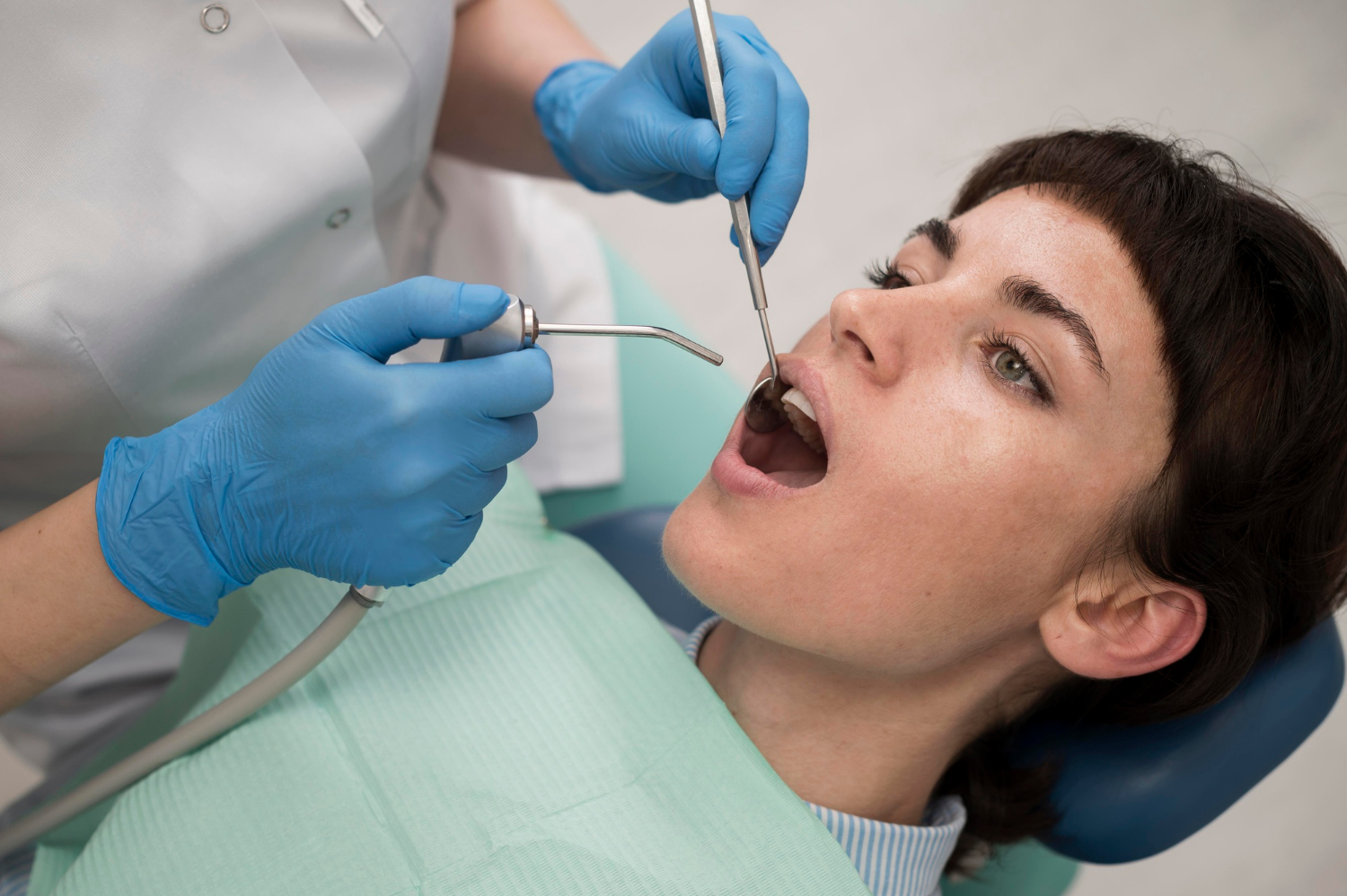
What Makes Wisdom Teeth So Problematic?
Wisdom teeth, also known as third molars, are the final set of adult teeth to emerge—typically between the late teens and mid-twenties. While some individuals may never encounter issues with their wisdom teeth, many experience discomfort, swelling, or complications as these teeth attempt to erupt. In many cases, there is simply not enough space in the jaw to accommodate them, leading to impaction or partial eruption.
Impacted or misaligned wisdom teeth can press against adjacent teeth, cause gum inflammation, or trap bacteria, increasing the risk of infection. In such cases, removal may be recommended to help prevent future oral health concerns.
How Can You Tell If Your Wisdom Teeth Need Attention?
Several indicators may suggest a need for assessment:
- Tenderness or swelling in the gums behind the molars
- Pain or pressure in the jaw
- Difficulty opening the mouth fully
- Redness or bleeding around the back molars
- An unpleasant taste or odour caused by infection
- Recurrent swelling or fluid-filled sacs near the erupting tooth
Early intervention can support oral health and help reduce the chance of complications such as infection or cyst formation.
Why Is Wisdom Tooth Removal Sometimes Necessary?
Wisdom teeth can become problematic when they are:
- Impacted – Trapped under the gum or bone, potentially pushing against other teeth
- Partially Erupted – Breaking through the gum at an angle, increasing the risk of food and bacteria accumulation
- Crowding – Contributing to the movement of nearby teeth and alignment issues
- Decayed or Infected – Hard to clean due to their position, leading to potential infection
Removing these teeth may support ongoing oral health by relieving discomfort and reducing the likelihood of future issues with spacing or hygiene.
What Happens During a Wisdom Teeth Extraction?
The procedure varies depending on how the teeth have erupted. Fully erupted teeth can sometimes be removed similarly to other extractions, while impacted teeth may require a surgical approach. The process typically includes:
- Dental imaging (e.g. X-rays) to assess the position and root structure
- Administration of local anaesthesia, and sedation if necessary
- Incision of the gum tissue if the tooth is impacted
- Removal of bone covering the tooth (in surgical cases)
- Tooth sectioning is required for ease of removal
- Closure of the site with dissolvable sutures (if applicable)
Post-operative care instructions are provided to support healing and reduce the risk of complications.
What Are the Differences Between Surgical and Non-Surgical Extraction?
| Feature | Surgical Removal | Simple Extraction |
|---|---|---|
| Tooth Position | Impacted or partially erupted | Fully visible and accessible |
| Anaesthesia Options | Local anaesthetic, with or without sedation | Local anaesthetic |
| Time Required | Longer procedure depending on complexity | Generally shorter |
| Healing Duration | Can take 1–2 weeks or longer | Typically a few days |
| Follow-Up Needs | May require review of healing | Usually minimal |
What Are the Most Common Symptoms of Problematic Wisdom Teeth?
| Symptom | Possible Cause |
|---|---|
| Jaw stiffness | Pressure from impacted teeth |
| Swelling or inflammation | Infection or partial eruption |
| Discomfort while chewing | Misaligned bite or gum irritation |
| Sore throat or ear pain | Radiating discomfort from the rear molars |
| Bad breath | Food debris trapped under gum tissue |
What Is the Typical Healing Timeline After Wisdom Tooth Removal?
| Day | Recovery Expectation |
|---|---|
| Day 1–2 | Some swelling, mild bleeding may occur |
| Day 3–4 | Swelling begins to subside, and bruising is possible |
| Day 5–7 | Discomfort reduces, and many resume light activities |
| Week 2 | Gums continue healing, stitches dissolve |
| Week 3+ | Most patients return to full normal function |
What Should You Do After the Procedure to Aid Recovery?
To help ensure a smooth recovery, follow these commonly recommended care guidelines:
- Apply cold packs intermittently to help manage swelling
- Stick to soft foods like soup, mashed vegetables, and yoghurt
- Avoid straws and vigorous rinsing for the first 24 hours
- Sleep with your head elevated
- Take prescribed medications as directed
- Gently rinse with saltwater from the second day onward (only if advised)
- Refrain from smoking or alcohol during the initial healing period
What Are the Advantages of Timely Wisdom Tooth Extraction?
Early removal of wisdom teeth, when advised, may offer several oral health benefits:
- Reduces the chance of infection in hard-to-clean areas
- Helps avoid pressure-related pain or damage to nearby teeth
- May minimise the risk of cyst development
- Supports long-term dental alignment
- Can reduce gum inflammation in the surrounding area
Why Might Wisdom Teeth Be Monitored Instead of Removed?
Not all wisdom teeth require extraction. If they are healthy, fully erupted, and do not interfere with surrounding structures, your dentist may recommend monitoring them regularly. Periodic dental examinations and radiographs can help assess whether intervention is needed later on.
Why Choose Local Expertise for Wisdom Teeth Removal in Blacktown?
Choosing a trusted dental provider in your local area offers practical advantages such as accessible care, continuity of treatment, and convenient follow-up. Whether the situation involves impacted teeth, gum irritation, or jaw discomfort, a dental assessment can determine the appropriate course of action. Understanding what makes a dentist stand out can help you make an informed decision.
Where Can You Find Professional Dental Care in Blacktown?
If you’re experiencing discomfort from wisdom teeth or have been advised to consider removal, M&M Dental Care provides supportive, clinically focused treatment for patients across the Blacktown region. Our team works with modern diagnostic imaging and techniques to assess tooth positioning and develop a care plan tailored to your situation. Patient comfort, safety, and clear communication remain our priority before, during, and after any surgical or non-surgical procedure. Whether your wisdom teeth are erupting normally or causing concerns, we’re here to guide you through your options with clarity and confidence.
References
Australian Dental Association – Wisdom Teeth Information
https://www.ada.org.au/wisdom-teeth
Better Health Channel (Vic Gov) – Wisdom Teeth Removal
https://www.betterhealth.vic.gov.au/health/conditionsandtreatments/wisdom-teeth
Health Direct Australia – Tooth Removal and Recovery
https://www.healthdirect.gov.au/tooth-removal
Frequently Asked Questions
1. Is wisdom teeth removal painful?
The procedure is performed under local anaesthetic, and many patients report only mild discomfort during recovery. Sensations vary, and any post-operative tenderness is typically manageable with recommended care.
2. How long does swelling last after the procedure?
Swelling usually peaks within the first 48 hours and begins to subside thereafter. Most individuals notice a significant reduction by the fifth or sixth day.
3. Can all four wisdom teeth be removed at once?
Yes, depending on the patient’s overall health and the position of the teeth, multiple extractions may be completed in a single session if clinically appropriate.
4. What foods should I avoid after wisdom teeth removal?
Hard, crunchy, or spicy foods should be avoided for the first few days. Soft, lukewarm options are generally recommended to aid recovery.
5. Are stitches always required?
Not all wisdom tooth removals require sutures. If used, dissolvable stitches typically resolve within 7–10 days, depending on the site and healing progress.
6. When should I return to normal activity after the procedure?
Light activity can often be resumed within 2–3 days, though strenuous exercise is best avoided for the first week or as advised by your dentist.
Disclaimer
All dental procedures involve potential risks and benefits. The information provided in this blog is general in nature and should not be taken as medical advice. We recommend that you seek guidance from a suitably qualified health professional before making decisions about your oral health. Where appropriate, you may also wish to consider obtaining a second opinion.
Any images or videos featured are shared with the informed consent of our patients and are intended for educational purposes only. They are not a guarantee of results, as every patient is unique. Treatment outcomes — including recovery, potential complications, and effectiveness — can vary from person to person.