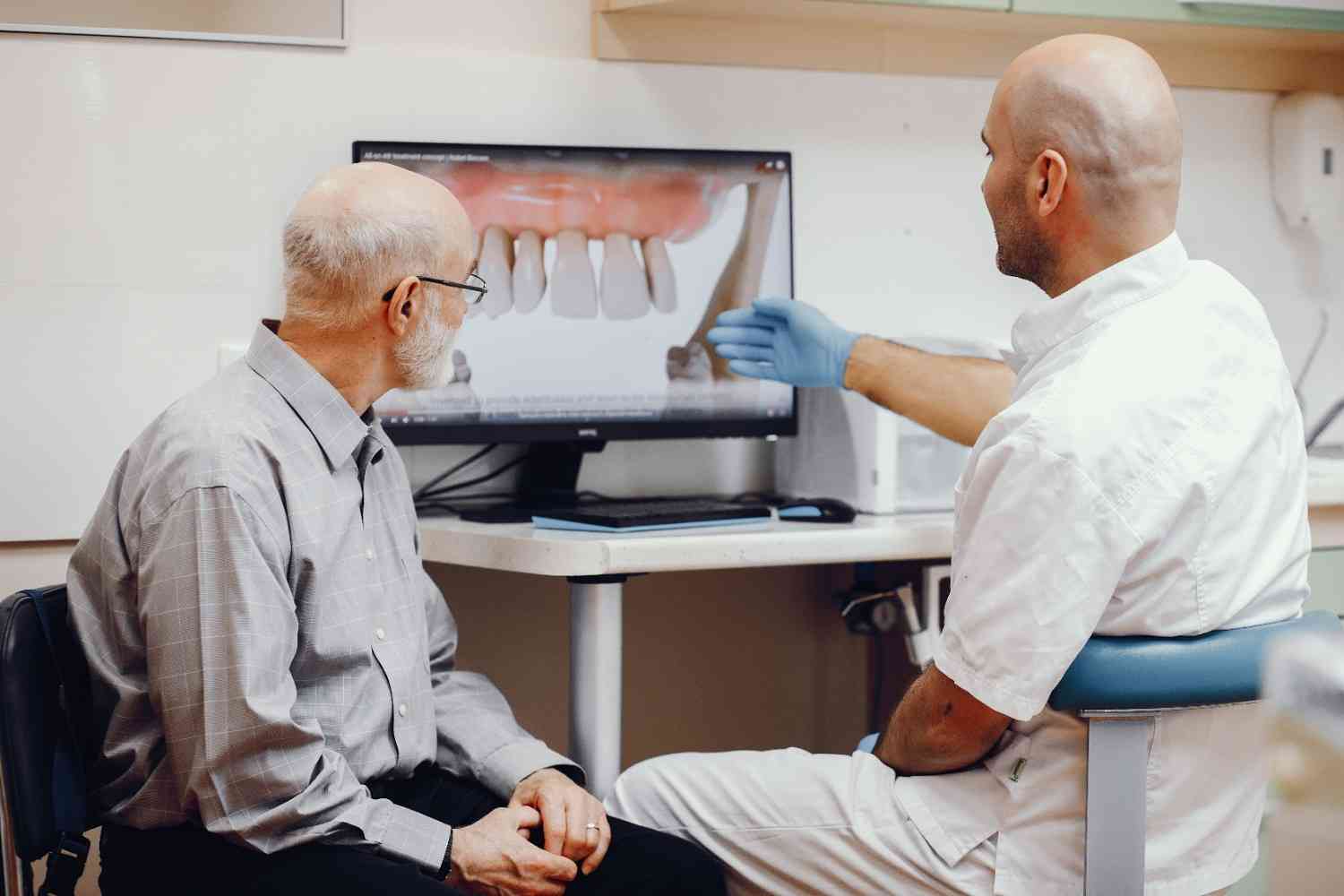
When it comes to your health, the mouth often tells the story first. A small swelling, ongoing bad breath, or a throbbing toothache might seem minor—but these can be the first signs of something bigger brewing. Oral infections don’t always start with extreme pain. In fact, many begin quietly and grow into serious problems if left undiagnosed.
Dentists are trained to recognise these early warning signs before they spiral into tooth loss or infection spreading through the body. Here’s how they do it—and why acting early can save your smile and your overall health.
What Are the Subtle Signs of a Developing Oral Infection?
Many people ignore early symptoms of dental infections, assuming they’ll go away. But dentists know that small issues are often signs of deeper problems.
Here Are Some Red Flags They Look For:
Swollen or bleeding gums
Ongoing bad breath or a bad taste in the mouth
Tooth sensitivity or dull ache
Swelling around the jaw or cheek
Red or inflamed gums
Pus near the teeth or gums
Pain when chewing or biting
These signs may indicate the start of a bacterial infection, abscess,
When it comes to your health, the mouth often tells the story first. A small swelling, ongoing bad breath, or a throbbing toothache might seem minor—but these can be the first signs of something bigger brewing. Oral infections don’t always start with extreme pain. In fact, many begin quietly and grow into serious problems if left undiagnosed.
Dentists are trained to recognise these early warning signs before they spiral into tooth loss or infection spreading through the body. Here’s how they do it—and why acting early can save your smile and your overall health.
What Are the Subtle Signs of a Developing Oral Infection?
Many people ignore early symptoms of dental infections, assuming they’ll go away. But dentists know that small issues are often signs of deeper problems.
Here Are Some Red Flags They Look For:
Swollen or bleeding gums
Ongoing bad breath or a bad taste in the mouth
Tooth sensitivity or dull ache
Swelling around the jaw or cheek
Red or inflamed gums
Pus near the teeth or gums
Pain when chewing or biting
These signs may indicate the start of a bacterial infection, abscess, All Services, or an infected tooth root.
How Do Dentists Actually Diagnose an Oral Infection?
Dentists don’t rely on guesswork. A step-by-step clinical approach allows them to catch infections before they spread:
Diagnostic Tools and Techniques Include:
Visual inspection: Dentists closely assess the gums, teeth and inner cheeks for signs of inflammation, infection or damage.
X-rays: Dental radiographs help reveal issues below the surface—such as abscesses, impacted teeth, or bone deterioration.
Intraoral cameras: These tools provide high-resolution images inside your mouth to identify tiny lesions, decay or early infections.
Periodontal probing: By gently measuring the depth of gum pockets, dentists can determine if bacteria are causing gum detachment.
Medical and dental history: Understanding your past treatments, symptoms and health issues helps uncover infection risks.
Vitality testing: A quick cold or electric test helps check if a tooth’s nerve is still alive, often used when root infection is suspected.
This multi-layered diagnostic process helps dentists form a complete and early understanding of any oral health concerns.
What Increases Your Risk of Oral Infections?
While anyone can develop a dental infection, some people are more vulnerable. Dentists take these risk factors seriously:
Common Contributors Include:
Poor brushing or flossing habits
Dry mouth or low saliva flow
Smoking or tobacco use
Diabetes or immune-compromising conditions
Previous dental trauma or neglected tooth decay
Ongoing gum disease
Existing cavities or broken restorations
If you fall into any of these categories, regular dental Check-Up & Cleans become even more important.
What Tools Help Detect Infections Early?
The combination of skilled observation and modern technology plays a major role in detection.
Tools Dentists Use to Diagnose Infections
Tool
Function
Purpose
Visual Exam
Checks for inflammation, lesions, or swelling
Initial screening
Dental X-rays
Shows bone loss, abscesses, and decay under fillings
Deep tissue and jawbone insights
Intraoral Camera
Captures enlarged colour images of the mouth
For precise inspection and documentation
Periodontal Probe
Measures gum pocket depth
Detects early-stage gum disease
Pulp Vitality Test
Assesses nerve activity in a tooth
Identifies root or nerve infection
What Happens If an Oral Infection Is Left Untreated?
Oral infections can quickly escalate if ignored, impacting more than just your smile.
What Can Go Wrong If You Delay Treatment
Type of Infection
Potential Complication
Gum Infection
Periodontitis, gum recession, tooth loss
Tooth Abscess
Bone damage, spread of infection to other areas
Pulp Infection
Need for
When it comes to your health, the mouth often tells the story first. A small swelling, ongoing bad breath, or a throbbing toothache might seem minor—but these can be the first signs of something bigger brewing. Oral infections don’t always start with extreme pain. In fact, many begin quietly and grow into serious problems if left undiagnosed.
Dentists are trained to recognise these early warning signs before they spiral into tooth loss or infection spreading through the body. Here’s how they do it—and why acting early can save your smile and your overall health.
What Are the Subtle Signs of a Developing Oral Infection?
Many people ignore early symptoms of dental infections, assuming they’ll go away. But dentists know that small issues are often signs of deeper problems.
Here Are Some Red Flags They Look For:
Swollen or bleeding gums
Ongoing bad breath or a bad taste in the mouth
Tooth sensitivity or dull ache
Swelling around the jaw or cheek
Red or inflamed gums
Pus near the teeth or gums
Pain when chewing or biting
These signs may indicate the start of a bacterial infection, abscess, gum disease, or an infected tooth root.
How Do Dentists Actually Diagnose an Oral Infection?
Dentists don’t rely on guesswork. A step-by-step clinical approach allows them to catch infections before they spread:
Diagnostic Tools and Techniques Include:
Visual inspection: Dentists closely assess the gums, teeth and inner cheeks for signs of inflammation, infection or damage.
X-rays: Dental radiographs help reveal issues below the surface—such as abscesses, impacted teeth, or bone deterioration.
Intraoral cameras: These tools provide high-resolution images inside your mouth to identify tiny lesions, decay or early infections.
Periodontal probing: By gently measuring the depth of gum pockets, dentists can determine if bacteria are causing gum detachment.
Medical and dental history: Understanding your past treatments, symptoms and health issues helps uncover infection risks.
Vitality testing: A quick cold or electric test helps check if a tooth’s nerve is still alive, often used when root infection is suspected.
This multi-layered diagnostic process helps dentists form a complete and early understanding of any oral health concerns.
What Increases Your Risk of Oral Infections?
While anyone can develop a dental infection, some people are more vulnerable. Dentists take these risk factors seriously:
Common Contributors Include:
Poor brushing or flossing habits
Dry mouth or low saliva flow
Smoking or tobacco use
Diabetes or immune-compromising conditions
Previous dental trauma or neglected tooth decay
Ongoing gum disease
Existing cavities or broken restorations
If you fall into any of these categories, regular dental check-ups become even more important.
What Tools Help Detect Infections Early?
The combination of skilled observation and modern technology plays a major role in detection.
Tools Dentists Use to Diagnose Infections
Tool
Function
Purpose
Visual Exam
Checks for inflammation, lesions, or swelling
Initial screening
Dental X-rays
Shows bone loss, abscesses, and decay under fillings
Deep tissue and jawbone insights
Intraoral Camera
Captures enlarged colour images of the mouth
For precise inspection and documentation
Periodontal Probe
Measures gum pocket depth
Detects early-stage gum disease
Pulp Vitality Test
Assesses nerve activity in a tooth
Identifies root or nerve infection
What Happens If an Oral Infection Is Left Untreated?
Oral infections can quickly escalate if ignored, impacting more than just your smile.
What begins as a dull ache or bleeding gum can eventually lead to
When it comes to your health, the mouth often tells the story first. A small swelling, ongoing bad breath, or a throbbing toothache might seem minor—but these can be the first signs of something bigger brewing. Oral infections don’t always start with extreme pain. In fact, many begin quietly and grow into serious problems if left undiagnosed.
root canal
Dentists are trained to recognise these early warning signs before they spiral into tooth loss or infection spreading through the body. Here’s how they do it—and why acting early can save your smile and your overall health.
What Are the Subtle Signs of a Developing Oral Infection?
Many people ignore early symptoms of dental infections, assuming they’ll go away. But dentists know that small issues are often signs of deeper problems.
Here Are Some Red Flags They Look For:
Swollen or bleeding gums
Ongoing bad breath or a bad taste in the mouth
Tooth sensitivity or dull ache
Swelling around the jaw or cheek
Red or inflamed gums
Pus near the teeth or gums
Pain when chewing or biting
These signs may indicate the start of a bacterial infection, abscess, gum disease, or an infected tooth root.
How Do Dentists Actually Diagnose an Oral Infection?
Dentists don’t rely on guesswork. A step-by-step clinical approach allows them to catch infections before they spread:
Diagnostic Tools and Techniques Include:
Visual inspection: Dentists closely assess the gums, teeth and inner cheeks for signs of inflammation, infection or damage.
X-rays: Dental radiographs help reveal issues below the surface—such as abscesses, impacted teeth, or bone deterioration.
Intraoral cameras: These tools provide high-resolution images inside your mouth to identify tiny lesions, decay or early infections.
Periodontal probing: By gently measuring the depth of gum pockets, dentists can determine if bacteria are causing gum detachment.
Medical and dental history: Understanding your past treatments, symptoms and health issues helps uncover infection risks.
Vitality testing: A quick cold or electric test helps check if a tooth’s nerve is still alive, often used when root infection is suspected.
This multi-layered diagnostic process helps dentists form a complete and early understanding of any oral health concerns.
What Increases Your Risk of Oral Infections?
While anyone can develop a dental infection, some people are more vulnerable. Dentists take these risk factors seriously:
Common Contributors Include:
Poor brushing or flossing habits
Dry mouth or low saliva flow
Smoking or tobacco use
Diabetes or immune-compromising conditions
Previous dental trauma or neglected tooth decay
Ongoing gum disease
Existing cavities or broken restorations
If you fall into any of these categories, regular dental check-ups become even more important.
What Tools Help Detect Infections Early?
The combination of skilled observation and modern technology plays a major role in detection.
Tools Dentists Use to Diagnose Infections
Tool
Function
Purpose
Visual Exam
Checks for inflammation, lesions, or swelling
Initial screening
Dental X-rays
Shows bone loss, abscesses, and decay under fillings
Deep tissue and jawbone insights
Intraoral Camera
Captures enlarged colour images of the mouth
For precise inspection and documentation
Periodontal Probe
Measures gum pocket depth
Detects early-stage gum disease
Pulp Vitality Test
Assesses nerve activity in a tooth
Identifies root or nerve infection
What Happens If an Oral Infection Is Left Untreated?
Oral infections can quickly escalate if ignored, impacting more than just your smile.
What Can Go Wrong If You Delay Treatment
Type of Infection
Potential Complication
Gum Infection
Periodontitis, gum recession, tooth loss
Tooth Abscess
Bone damage, spread of infection to other areas
Pulp Infection
Need for root canal or extraction
Untreated Decay
Infection reaching bloodstream (sepsis risk)
Chronic Infection
Impact on heart, kidneys, and immune system
What begins as a dull ache or bleeding gum can eventually lead to Emergency Dentistry Dentistry treatment or even hospitalisation.
emergency
How Do Dentists Help You Prevent Oral Infections?
Dentists don’t just treat issues—they help you prevent them through a proactive, personalised approach.
Prevention Strategies Include:
Tailored oral hygiene advice based on your risk level
Fluoride treatments to strengthen enamel
Regular
When it comes to your health, the mouth often tells the story first. A small swelling, ongoing bad breath, or a throbbing toothache might seem minor—but these can be the first signs of something bigger brewing. Oral infections don’t always start with extreme pain. In fact, many begin quietly and grow into serious problems if left undiagnosed.
Dentists are trained to recognise these early warning signs before they spiral into tooth loss or infection spreading through the body. Here’s how they do it—and why acting early can save your smile and your overall health.
What Are the Subtle Signs of a Developing Oral Infection?
Many people ignore early symptoms of dental infections, assuming they’ll go away. But dentists know that small issues are often signs of deeper problems.
Here Are Some Red Flags They Look For:
Swollen or bleeding gums
Ongoing bad breath or a bad taste in the mouth
Tooth sensitivity or dull ache
Swelling around the jaw or cheek
Red or inflamed gums
Pus near the teeth or gums
Pain when chewing or biting
These signs may indicate the start of a bacterial infection, abscess, gum disease, or an infected tooth root.
How Do Dentists Actually Diagnose an Oral Infection?
Dentists don’t rely on guesswork. A step-by-step clinical approach allows them to catch infections before they spread:
Diagnostic Tools and Techniques Include:
Visual inspection: Dentists closely assess the gums, teeth and inner cheeks for signs of inflammation, infection or damage.
X-rays: Dental radiographs help reveal issues below the surface—such as abscesses, impacted teeth, or bone deterioration.
Intraoral cameras: These tools provide high-resolution images inside your mouth to identify tiny lesions, decay or early infections.
Periodontal probing: By gently measuring the depth of gum pockets, dentists can determine if bacteria are causing gum detachment.
Medical and dental history: Understanding your past treatments, symptoms and health issues helps uncover infection risks.
Vitality testing: A quick cold or electric test helps check if a tooth’s nerve is still alive, often used when root infection is suspected.
This multi-layered diagnostic process helps dentists form a complete and early understanding of any oral health concerns.
What Increases Your Risk of Oral Infections?
While anyone can develop a dental infection, some people are more vulnerable. Dentists take these risk factors seriously:
Common Contributors Include:
Poor brushing or flossing habits
Dry mouth or low saliva flow
Smoking or tobacco use
Diabetes or immune-compromising conditions
Previous dental trauma or neglected tooth decay
Ongoing gum disease
Existing cavities or broken restorations
If you fall into any of these categories, regular dental check-ups become even more important.
What Tools Help Detect Infections Early?
The combination of skilled observation and modern technology plays a major role in detection.
Tools Dentists Use to Diagnose Infections
Tool
Function
Purpose
Visual Exam
Checks for inflammation, lesions, or swelling
Initial screening
Dental X-rays
Shows bone loss, abscesses, and decay under fillings
Deep tissue and jawbone insights
Intraoral Camera
Captures enlarged colour images of the mouth
For precise inspection and documentation
Periodontal Probe
Measures gum pocket depth
Detects early-stage gum disease
Pulp Vitality Test
Assesses nerve activity in a tooth
Identifies root or nerve infection
What Happens If an Oral Infection Is Left Untreated?
Oral infections can quickly escalate if ignored, impacting more than just your smile.
What Can Go Wrong If You Delay Treatment
Type of Infection
Potential Complication
Gum Infection
Periodontitis, gum recession, tooth loss
Tooth Abscess
Bone damage, spread of infection to other areas
Pulp Infection
Need for
When it comes to your health, the mouth often tells the story first. A small swelling, ongoing bad breath, or a throbbing toothache might seem minor—but these can be the first signs of something bigger brewing. Oral infections don’t always start with extreme pain. In fact, many begin quietly and grow into serious problems if left undiagnosed.
Dentists are trained to recognise these early warning signs before they spiral into tooth loss or infection spreading through the body. Here’s how they do it—and why acting early can save your smile and your overall health.
What Are the Subtle Signs of a Developing Oral Infection?
Many people ignore early symptoms of dental infections, assuming they’ll go away. But dentists know that small issues are often signs of deeper problems.
Here Are Some Red Flags They Look For:
Swollen or bleeding gums
Ongoing bad breath or a bad taste in the mouth
Tooth sensitivity or dull ache
Swelling around the jaw or cheek
Red or inflamed gums
Pus near the teeth or gums
Pain when chewing or biting
These signs may indicate the start of a bacterial infection, abscess, gum disease, or an infected tooth root.
How Do Dentists Actually Diagnose an Oral Infection?
Dentists don’t rely on guesswork. A step-by-step clinical approach allows them to catch infections before they spread:
Diagnostic Tools and Techniques Include:
Visual inspection: Dentists closely assess the gums, teeth and inner cheeks for signs of inflammation, infection or damage.
X-rays: Dental radiographs help reveal issues below the surface—such as abscesses, impacted teeth, or bone deterioration.
Intraoral cameras: These tools provide high-resolution images inside your mouth to identify tiny lesions, decay or early infections.
Periodontal probing: By gently measuring the depth of gum pockets, dentists can determine if bacteria are causing gum detachment.
Medical and dental history: Understanding your past treatments, symptoms and health issues helps uncover infection risks.
Vitality testing: A quick cold or electric test helps check if a tooth’s nerve is still alive, often used when root infection is suspected.
This multi-layered diagnostic process helps dentists form a complete and early understanding of any oral health concerns.
What Increases Your Risk of Oral Infections?
While anyone can develop a dental infection, some people are more vulnerable. Dentists take these risk factors seriously:
Common Contributors Include:
Poor brushing or flossing habits
Dry mouth or low saliva flow
Smoking or tobacco use
Diabetes or immune-compromising conditions
Previous dental trauma or neglected tooth decay
Ongoing gum disease
Existing cavities or broken restorations
If you fall into any of these categories, regular dental check-ups become even more important.
What Tools Help Detect Infections Early?
The combination of skilled observation and modern technology plays a major role in detection.
Tools Dentists Use to Diagnose Infections
Tool
Function
Purpose
Visual Exam
Checks for inflammation, lesions, or swelling
Initial screening
Dental X-rays
Shows bone loss, abscesses, and decay under fillings
Deep tissue and jawbone insights
Intraoral Camera
Captures enlarged colour images of the mouth
For precise inspection and documentation
Periodontal Probe
Measures gum pocket depth
Detects early-stage gum disease
Pulp Vitality Test
Assesses nerve activity in a tooth
Identifies root or nerve infection
What Happens If an Oral Infection Is Left Untreated?
Oral infections can quickly escalate if ignored, impacting more than just your smile.
What Can Go Wrong If You Delay Treatment
Type of Infection
Potential Complication
Gum Infection
Periodontitis, gum recession, tooth loss
Tooth Abscess
Bone damage, spread of infection to other areas
Pulp Infection
Need for Root Canal Treatment or extraction
Untreated Decay
Infection reaching bloodstream (sepsis risk)
Chronic Infection
Impact on heart, kidneys, and immune system
What begins as a dull ache or bleeding gum can eventually lead to
When it comes to your health, the mouth often tells the story first. A small swelling, ongoing bad breath, or a throbbing toothache might seem minor—but these can be the first signs of something bigger brewing. Oral infections don’t always start with extreme pain. In fact, many begin quietly and grow into serious problems if left undiagnosed.
root canal
Dentists are trained to recognise these early warning signs before they spiral into tooth loss or infection spreading through the body. Here’s how they do it—and why acting early can save your smile and your overall health.
What Are the Subtle Signs of a Developing Oral Infection?
Many people ignore early symptoms of dental infections, assuming they’ll go away. But dentists know that small issues are often signs of deeper problems.
Here Are Some Red Flags They Look For:
Swollen or bleeding gums
Ongoing bad breath or a bad taste in the mouth
Tooth sensitivity or dull ache
Swelling around the jaw or cheek
Red or inflamed gums
Pus near the teeth or gums
Pain when chewing or biting
These signs may indicate the start of a bacterial infection, abscess, gum disease, or an infected tooth root.
How Do Dentists Actually Diagnose an Oral Infection?
Dentists don’t rely on guesswork. A step-by-step clinical approach allows them to catch infections before they spread:
Diagnostic Tools and Techniques Include:
Visual inspection: Dentists closely assess the gums, teeth and inner cheeks for signs of inflammation, infection or damage.
X-rays: Dental radiographs help reveal issues below the surface—such as abscesses, impacted teeth, or bone deterioration.
Intraoral cameras: These tools provide high-resolution images inside your mouth to identify tiny lesions, decay or early infections.
Periodontal probing: By gently measuring the depth of gum pockets, dentists can determine if bacteria are causing gum detachment.
Medical and dental history: Understanding your past treatments, symptoms and health issues helps uncover infection risks.
Vitality testing: A quick cold or electric test helps check if a tooth’s nerve is still alive, often used when root infection is suspected.
This multi-layered diagnostic process helps dentists form a complete and early understanding of any oral health concerns.
What Increases Your Risk of Oral Infections?
While anyone can develop a dental infection, some people are more vulnerable. Dentists take these risk factors seriously:
Common Contributors Include:
Poor brushing or flossing habits
Dry mouth or low saliva flow
Smoking or tobacco use
Diabetes or immune-compromising conditions
Previous dental trauma or neglected tooth decay
Ongoing gum disease
Existing cavities or broken restorations
If you fall into any of these categories, regular dental check-ups become even more important.
What Tools Help Detect Infections Early?
The combination of skilled observation and modern technology plays a major role in detection.
Tools Dentists Use to Diagnose Infections
Tool
Function
Purpose
Visual Exam
Checks for inflammation, lesions, or swelling
Initial screening
Dental X-rays
Shows bone loss, abscesses, and decay under fillings
Deep tissue and jawbone insights
Intraoral Camera
Captures enlarged colour images of the mouth
For precise inspection and documentation
Periodontal Probe
Measures gum pocket depth
Detects early-stage gum disease
Pulp Vitality Test
Assesses nerve activity in a tooth
Identifies root or nerve infection
What Happens If an Oral Infection Is Left Untreated?
Oral infections can quickly escalate if ignored, impacting more than just your smile.
What Can Go Wrong If You Delay Treatment
Type of Infection
Potential Complication
Gum Infection
Periodontitis, gum recession, tooth loss
Tooth Abscess
Bone damage, spread of infection to other areas
Pulp Infection
Need for root canal or extraction
Untreated Decay
Infection reaching bloodstream (sepsis risk)
Chronic Infection
Impact on heart, kidneys, and immune system
What begins as a dull ache or bleeding gum can eventually lead to Emergency Dentistry treatment or even hospitalisation.
emergency
How Do Dentists Help You Prevent Oral Infections?
Dentists don’t just treat issues—they help you prevent them through a proactive, personalised approach.
Prevention Strategies Include:
Tailored oral hygiene advice based on your risk level
Fluoride treatments to strengthen enamel
Regular Check-Up & Clean and cleans to remove bacteria and tartar
Early intervention with small fillings or sealants
Saliva testing or dietary advice where relevant
By acting early, these interventions stop bacteria in their tracks before they cause real damage.
scale
Why Trust M&M Dental Care with Diagnosing Oral Infections?
At M&M Dental Care, we take a proactive and thorough approach to oral health. We know how quickly dental infections can progress and the discomfort they can cause. That’s why we offer detailed examinations using advanced diagnostic tools—from high-resolution imaging to professional clinical assessment—to catch issues early.
When it comes to your health, the mouth often tells the story first. A small swelling, ongoing bad breath, or a throbbing toothache might seem minor—but these can be the first signs of something bigger brewing. Oral infections don’t always start with extreme pain. In fact, many begin quietly and grow into serious problems if left undiagnosed.
Dentists are trained to recognise these early warning signs before they spiral into tooth loss or infection spreading through the body. Here’s how they do it—and why acting early can save your smile and your overall health.
What Are the Subtle Signs of a Developing Oral Infection?
Many people ignore early symptoms of dental infections, assuming they’ll go away. But dentists know that small issues are often signs of deeper problems.
Here Are Some Red Flags They Look For:
Swollen or bleeding gums
Ongoing bad breath or a bad taste in the mouth
Tooth sensitivity or dull ache
Swelling around the jaw or cheek
Red or inflamed gums
Pus near the teeth or gums
Pain when chewing or biting
These signs may indicate the start of a bacterial infection, abscess,
When it comes to your health, the mouth often tells the story first. A small swelling, ongoing bad breath, or a throbbing toothache might seem minor—but these can be the first signs of something bigger brewing. Oral infections don’t always start with extreme pain. In fact, many begin quietly and grow into serious problems if left undiagnosed.
Dentists are trained to recognise these early warning signs before they spiral into tooth loss or infection spreading through the body. Here’s how they do it—and why acting early can save your smile and your overall health.
What Are the Subtle Signs of a Developing Oral Infection?
Many people ignore early symptoms of dental infections, assuming they’ll go away. But dentists know that small issues are often signs of deeper problems.
Here Are Some Red Flags They Look For:
Swollen or bleeding gums
Ongoing bad breath or a bad taste in the mouth
Tooth sensitivity or dull ache
Swelling around the jaw or cheek
Red or inflamed gums
Pus near the teeth or gums
Pain when chewing or biting
These signs may indicate the start of a bacterial infection, abscess, All Services, or an infected tooth root.
gum disease
How Do Dentists Actually Diagnose an Oral Infection?
Dentists don’t rely on guesswork. A step-by-step clinical approach allows them to catch infections before they spread:
Diagnostic Tools and Techniques Include:
Visual inspection: Dentists closely assess the gums, teeth and inner cheeks for signs of inflammation, infection or damage.
X-rays: Dental radiographs help reveal issues below the surface—such as abscesses, impacted teeth, or bone deterioration.
Intraoral cameras: These tools provide high-resolution images inside your mouth to identify tiny lesions, decay or early infections.
Periodontal probing: By gently measuring the depth of gum pockets, dentists can determine if bacteria are causing gum detachment.
Medical and dental history: Understanding your past treatments, symptoms and health issues helps uncover infection risks.
Vitality testing: A quick cold or electric test helps check if a tooth’s nerve is still alive, often used when root infection is suspected.
This multi-layered diagnostic process helps dentists form a complete and early understanding of any oral health concerns.
What Increases Your Risk of Oral Infections?
While anyone can develop a dental infection, some people are more vulnerable. Dentists take these risk factors seriously:
Common Contributors Include:
Poor brushing or flossing habits
Dry mouth or low saliva flow
Smoking or tobacco use
Diabetes or immune-compromising conditions
Previous dental trauma or neglected tooth decay
Ongoing gum disease
Existing cavities or broken restorations
If you fall into any of these categories, regular dental check-ups become even more important.
What Tools Help Detect Infections Early?
The combination of skilled observation and modern technology plays a major role in detection.
Tools Dentists Use to Diagnose Infections
Tool
Function
Purpose
Visual Exam
Checks for inflammation, lesions, or swelling
Initial screening
Dental X-rays
Shows bone loss, abscesses, and decay under fillings
Deep tissue and jawbone insights
Intraoral Camera
Captures enlarged colour images of the mouth
For precise inspection and documentation
Periodontal Probe
Measures gum pocket depth
Detects early-stage gum disease
Pulp Vitality Test
Assesses nerve activity in a tooth
Identifies root or nerve infection
What Happens If an Oral Infection Is Left Untreated?
Oral infections can quickly escalate if ignored, impacting more than just your smile.
What Can Go Wrong If You Delay Treatment
Type of Infection
Potential Complication
Gum Infection
Periodontitis, gum recession, tooth loss
Tooth Abscess
Bone damage, spread of infection to other areas
Pulp Infection
Need for
When it comes to your health, the mouth often tells the story first. A small swelling, ongoing bad breath, or a throbbing toothache might seem minor—but these can be the first signs of something bigger brewing. Oral infections don’t always start with extreme pain. In fact, many begin quietly and grow into serious problems if left undiagnosed.
Dentists are trained to recognise these early warning signs before they spiral into tooth loss or infection spreading through the body. Here’s how they do it—and why acting early can save your smile and your overall health.
What Are the Subtle Signs of a Developing Oral Infection?
Many people ignore early symptoms of dental infections, assuming they’ll go away. But dentists know that small issues are often signs of deeper problems.
Here Are Some Red Flags They Look For:
Swollen or bleeding gums
Ongoing bad breath or a bad taste in the mouth
Tooth sensitivity or dull ache
Swelling around the jaw or cheek
Red or inflamed gums
Pus near the teeth or gums
Pain when chewing or biting
These signs may indicate the start of a bacterial infection, abscess, gum disease, or an infected tooth root.
How Do Dentists Actually Diagnose an Oral Infection?
Dentists don’t rely on guesswork. A step-by-step clinical approach allows them to catch infections before they spread:
Diagnostic Tools and Techniques Include:
Visual inspection: Dentists closely assess the gums, teeth and inner cheeks for signs of inflammation, infection or damage.
X-rays: Dental radiographs help reveal issues below the surface—such as abscesses, impacted teeth, or bone deterioration.
Intraoral cameras: These tools provide high-resolution images inside your mouth to identify tiny lesions, decay or early infections.
Periodontal probing: By gently measuring the depth of gum pockets, dentists can determine if bacteria are causing gum detachment.
Medical and dental history: Understanding your past treatments, symptoms and health issues helps uncover infection risks.
Vitality testing: A quick cold or electric test helps check if a tooth’s nerve is still alive, often used when root infection is suspected.
This multi-layered diagnostic process helps dentists form a complete and early understanding of any oral health concerns.
What Increases Your Risk of Oral Infections?
While anyone can develop a dental infection, some people are more vulnerable. Dentists take these risk factors seriously:
Common Contributors Include:
Poor brushing or flossing habits
Dry mouth or low saliva flow
Smoking or tobacco use
Diabetes or immune-compromising conditions
Previous dental trauma or neglected tooth decay
Ongoing gum disease
Existing cavities or broken restorations
If you fall into any of these categories, regular dental check-ups become even more important.
What Tools Help Detect Infections Early?
The combination of skilled observation and modern technology plays a major role in detection.
Tools Dentists Use to Diagnose Infections
Tool
Function
Purpose
Visual Exam
Checks for inflammation, lesions, or swelling
Initial screening
Dental X-rays
Shows bone loss, abscesses, and decay under fillings
Deep tissue and jawbone insights
Intraoral Camera
Captures enlarged colour images of the mouth
For precise inspection and documentation
Periodontal Probe
Measures gum pocket depth
Detects early-stage gum disease
Pulp Vitality Test
Assesses nerve activity in a tooth
Identifies root or nerve infection
What Happens If an Oral Infection Is Left Untreated?
Oral infections can quickly escalate if ignored, impacting more than just your smile.
What Can Go Wrong If You Delay Treatment
Type of Infection
Potential Complication
Gum Infection
Periodontitis, gum recession, tooth loss
Tooth Abscess
Bone damage, spread of infection to other areas
Pulp Infection
Need for Root Canal Treatment or extraction
Untreated Decay
Infection reaching bloodstream (sepsis risk)
Chronic Infection
Impact on heart, kidneys, and immune system
What begins as a dull ache or bleeding gum can eventually lead to
When it comes to your health, the mouth often tells the story first. A small swelling, ongoing bad breath, or a throbbing toothache might seem minor—but these can be the first signs of something bigger brewing. Oral infections don’t always start with extreme pain. In fact, many begin quietly and grow into serious problems if left undiagnosed.
root canal
Dentists are trained to recognise these early warning signs before they spiral into tooth loss or infection spreading through the body. Here’s how they do it—and why acting early can save your smile and your overall health.
What Are the Subtle Signs of a Developing Oral Infection?
Many people ignore early symptoms of dental infections, assuming they’ll go away. But dentists know that small issues are often signs of deeper problems.
Here Are Some Red Flags They Look For:
Swollen or bleeding gums
Ongoing bad breath or a bad taste in the mouth
Tooth sensitivity or dull ache
Swelling around the jaw or cheek
Red or inflamed gums
Pus near the teeth or gums
Pain when chewing or biting
These signs may indicate the start of a bacterial infection, abscess, gum disease, or an infected tooth root.
How Do Dentists Actually Diagnose an Oral Infection?
Dentists don’t rely on guesswork. A step-by-step clinical approach allows them to catch infections before they spread:
Diagnostic Tools and Techniques Include:
Visual inspection: Dentists closely assess the gums, teeth and inner cheeks for signs of inflammation, infection or damage.
X-rays: Dental radiographs help reveal issues below the surface—such as abscesses, impacted teeth, or bone deterioration.
Intraoral cameras: These tools provide high-resolution images inside your mouth to identify tiny lesions, decay or early infections.
Periodontal probing: By gently measuring the depth of gum pockets, dentists can determine if bacteria are causing gum detachment.
Medical and dental history: Understanding your past treatments, symptoms and health issues helps uncover infection risks.
Vitality testing: A quick cold or electric test helps check if a tooth’s nerve is still alive, often used when root infection is suspected.
This multi-layered diagnostic process helps dentists form a complete and early understanding of any oral health concerns.
What Increases Your Risk of Oral Infections?
While anyone can develop a dental infection, some people are more vulnerable. Dentists take these risk factors seriously:
Common Contributors Include:
Poor brushing or flossing habits
Dry mouth or low saliva flow
Smoking or tobacco use
Diabetes or immune-compromising conditions
Previous dental trauma or neglected tooth decay
Ongoing gum disease
Existing cavities or broken restorations
If you fall into any of these categories, regular dental check-ups become even more important.
What Tools Help Detect Infections Early?
The combination of skilled observation and modern technology plays a major role in detection.
Tools Dentists Use to Diagnose Infections
Tool
Function
Purpose
Visual Exam
Checks for inflammation, lesions, or swelling
Initial screening
Dental X-rays
Shows bone loss, abscesses, and decay under fillings
Deep tissue and jawbone insights
Intraoral Camera
Captures enlarged colour images of the mouth
For precise inspection and documentation
Periodontal Probe
Measures gum pocket depth
Detects early-stage gum disease
Pulp Vitality Test
Assesses nerve activity in a tooth
Identifies root or nerve infection
What Happens If an Oral Infection Is Left Untreated?
Oral infections can quickly escalate if ignored, impacting more than just your smile.
What Can Go Wrong If You Delay Treatment
Type of Infection
Potential Complication
Gum Infection
Periodontitis, gum recession, tooth loss
Tooth Abscess
Bone damage, spread of infection to other areas
Pulp Infection
Need for root canal or extraction
Untreated Decay
Infection reaching bloodstream (sepsis risk)
Chronic Infection
Impact on heart, kidneys, and immune system
What begins as a dull ache or bleeding gum can eventually lead to Emergency Dentistry treatment or even hospitalisation.
emergency
How Do Dentists Help You Prevent Oral Infections?
Dentists don’t just treat issues—they help you prevent them through a proactive, personalised approach.
Prevention Strategies Include:
Tailored oral hygiene advice based on your risk level
Fluoride treatments to strengthen enamel
Regular
When it comes to your health, the mouth often tells the story first. A small swelling, ongoing bad breath, or a throbbing toothache might seem minor—but these can be the first signs of something bigger brewing. Oral infections don’t always start with extreme pain. In fact, many begin quietly and grow into serious problems if left undiagnosed.
Dentists are trained to recognise these early warning signs before they spiral into tooth loss or infection spreading through the body. Here’s how they do it—and why acting early can save your smile and your overall health.
What Are the Subtle Signs of a Developing Oral Infection?
Many people ignore early symptoms of dental infections, assuming they’ll go away. But dentists know that small issues are often signs of deeper problems.
Here Are Some Red Flags They Look For:
Swollen or bleeding gums
Ongoing bad breath or a bad taste in the mouth
Tooth sensitivity or dull ache
Swelling around the jaw or cheek
Red or inflamed gums
Pus near the teeth or gums
Pain when chewing or biting
These signs may indicate the start of a bacterial infection, abscess, gum disease, or an infected tooth root.
How Do Dentists Actually Diagnose an Oral Infection?
Dentists don’t rely on guesswork. A step-by-step clinical approach allows them to catch infections before they spread:
Diagnostic Tools and Techniques Include:
Visual inspection: Dentists closely assess the gums, teeth and inner cheeks for signs of inflammation, infection or damage.
X-rays: Dental radiographs help reveal issues below the surface—such as abscesses, impacted teeth, or bone deterioration.
Intraoral cameras: These tools provide high-resolution images inside your mouth to identify tiny lesions, decay or early infections.
Periodontal probing: By gently measuring the depth of gum pockets, dentists can determine if bacteria are causing gum detachment.
Medical and dental history: Understanding your past treatments, symptoms and health issues helps uncover infection risks.
Vitality testing: A quick cold or electric test helps check if a tooth’s nerve is still alive, often used when root infection is suspected.
This multi-layered diagnostic process helps dentists form a complete and early understanding of any oral health concerns.
What Increases Your Risk of Oral Infections?
While anyone can develop a dental infection, some people are more vulnerable. Dentists take these risk factors seriously:
Common Contributors Include:
Poor brushing or flossing habits
Dry mouth or low saliva flow
Smoking or tobacco use
Diabetes or immune-compromising conditions
Previous dental trauma or neglected tooth decay
Ongoing gum disease
Existing cavities or broken restorations
If you fall into any of these categories, regular dental check-ups become even more important.
What Tools Help Detect Infections Early?
The combination of skilled observation and modern technology plays a major role in detection.
Tools Dentists Use to Diagnose Infections
Tool
Function
Purpose
Visual Exam
Checks for inflammation, lesions, or swelling
Initial screening
Dental X-rays
Shows bone loss, abscesses, and decay under fillings
Deep tissue and jawbone insights
Intraoral Camera
Captures enlarged colour images of the mouth
For precise inspection and documentation
Periodontal Probe
Measures gum pocket depth
Detects early-stage gum disease
Pulp Vitality Test
Assesses nerve activity in a tooth
Identifies root or nerve infection
What Happens If an Oral Infection Is Left Untreated?
Oral infections can quickly escalate if ignored, impacting more than just your smile.
What Can Go Wrong If You Delay Treatment
Type of Infection
Potential Complication
Gum Infection
Periodontitis, gum recession, tooth loss
Tooth Abscess
Bone damage, spread of infection to other areas
Pulp Infection
Need for
When it comes to your health, the mouth often tells the story first. A small swelling, ongoing bad breath, or a throbbing toothache might seem minor—but these can be the first signs of something bigger brewing. Oral infections don’t always start with extreme pain. In fact, many begin quietly and grow into serious problems if left undiagnosed.
Dentists are trained to recognise these early warning signs before they spiral into tooth loss or infection spreading through the body. Here’s how they do it—and why acting early can save your smile and your overall health.
What Are the Subtle Signs of a Developing Oral Infection?
Many people ignore early symptoms of dental infections, assuming they’ll go away. But dentists know that small issues are often signs of deeper problems.
Here Are Some Red Flags They Look For:
Swollen or bleeding gums
Ongoing bad breath or a bad taste in the mouth
Tooth sensitivity or dull ache
Swelling around the jaw or cheek
Red or inflamed gums
Pus near the teeth or gums
Pain when chewing or biting
These signs may indicate the start of a bacterial infection, abscess, gum disease, or an infected tooth root.
How Do Dentists Actually Diagnose an Oral Infection?
Dentists don’t rely on guesswork. A step-by-step clinical approach allows them to catch infections before they spread:
Diagnostic Tools and Techniques Include:
Visual inspection: Dentists closely assess the gums, teeth and inner cheeks for signs of inflammation, infection or damage.
X-rays: Dental radiographs help reveal issues below the surface—such as abscesses, impacted teeth, or bone deterioration.
Intraoral cameras: These tools provide high-resolution images inside your mouth to identify tiny lesions, decay or early infections.
Periodontal probing: By gently measuring the depth of gum pockets, dentists can determine if bacteria are causing gum detachment.
Medical and dental history: Understanding your past treatments, symptoms and health issues helps uncover infection risks.
Vitality testing: A quick cold or electric test helps check if a tooth’s nerve is still alive, often used when root infection is suspected.
This multi-layered diagnostic process helps dentists form a complete and early understanding of any oral health concerns.
What Increases Your Risk of Oral Infections?
While anyone can develop a dental infection, some people are more vulnerable. Dentists take these risk factors seriously:
Common Contributors Include:
Poor brushing or flossing habits
Dry mouth or low saliva flow
Smoking or tobacco use
Diabetes or immune-compromising conditions
Previous dental trauma or neglected tooth decay
Ongoing gum disease
Existing cavities or broken restorations
If you fall into any of these categories, regular dental check-ups become even more important.
What Tools Help Detect Infections Early?
The combination of skilled observation and modern technology plays a major role in detection.
Tools Dentists Use to Diagnose Infections
Tool
Function
Purpose
Visual Exam
Checks for inflammation, lesions, or swelling
Initial screening
Dental X-rays
Shows bone loss, abscesses, and decay under fillings
Deep tissue and jawbone insights
Intraoral Camera
Captures enlarged colour images of the mouth
For precise inspection and documentation
Periodontal Probe
Measures gum pocket depth
Detects early-stage gum disease
Pulp Vitality Test
Assesses nerve activity in a tooth
Identifies root or nerve infection
What Happens If an Oral Infection Is Left Untreated?
Oral infections can quickly escalate if ignored, impacting more than just your smile.
What Can Go Wrong If You Delay Treatment
Type of Infection
Potential Complication
Gum Infection
Periodontitis, gum recession, tooth loss
Tooth Abscess
Bone damage, spread of infection to other areas
Pulp Infection
Need for Root Canal Treatment or extraction
Untreated Decay
Infection reaching bloodstream (sepsis risk)
Chronic Infection
Impact on heart, kidneys, and immune system
What begins as a dull ache or bleeding gum can eventually lead to
When it comes to your health, the mouth often tells the story first. A small swelling, ongoing bad breath, or a throbbing toothache might seem minor—but these can be the first signs of something bigger brewing. Oral infections don’t always start with extreme pain. In fact, many begin quietly and grow into serious problems if left undiagnosed.
root canal
Dentists are trained to recognise these early warning signs before they spiral into tooth loss or infection spreading through the body. Here’s how they do it—and why acting early can save your smile and your overall health.
What Are the Subtle Signs of a Developing Oral Infection?
Many people ignore early symptoms of dental infections, assuming they’ll go away. But dentists know that small issues are often signs of deeper problems.
Here Are Some Red Flags They Look For:
Swollen or bleeding gums
Ongoing bad breath or a bad taste in the mouth
Tooth sensitivity or dull ache
Swelling around the jaw or cheek
Red or inflamed gums
Pus near the teeth or gums
Pain when chewing or biting
These signs may indicate the start of a bacterial infection, abscess, gum disease, or an infected tooth root.
How Do Dentists Actually Diagnose an Oral Infection?
Dentists don’t rely on guesswork. A step-by-step clinical approach allows them to catch infections before they spread:
Diagnostic Tools and Techniques Include:
Visual inspection: Dentists closely assess the gums, teeth and inner cheeks for signs of inflammation, infection or damage.
X-rays: Dental radiographs help reveal issues below the surface—such as abscesses, impacted teeth, or bone deterioration.
Intraoral cameras: These tools provide high-resolution images inside your mouth to identify tiny lesions, decay or early infections.
Periodontal probing: By gently measuring the depth of gum pockets, dentists can determine if bacteria are causing gum detachment.
Medical and dental history: Understanding your past treatments, symptoms and health issues helps uncover infection risks.
Vitality testing: A quick cold or electric test helps check if a tooth’s nerve is still alive, often used when root infection is suspected.
This multi-layered diagnostic process helps dentists form a complete and early understanding of any oral health concerns.
What Increases Your Risk of Oral Infections?
While anyone can develop a dental infection, some people are more vulnerable. Dentists take these risk factors seriously:
Common Contributors Include:
Poor brushing or flossing habits
Dry mouth or low saliva flow
Smoking or tobacco use
Diabetes or immune-compromising conditions
Previous dental trauma or neglected tooth decay
Ongoing gum disease
Existing cavities or broken restorations
If you fall into any of these categories, regular dental check-ups become even more important.
What Tools Help Detect Infections Early?
The combination of skilled observation and modern technology plays a major role in detection.
Tools Dentists Use to Diagnose Infections
Tool
Function
Purpose
Visual Exam
Checks for inflammation, lesions, or swelling
Initial screening
Dental X-rays
Shows bone loss, abscesses, and decay under fillings
Deep tissue and jawbone insights
Intraoral Camera
Captures enlarged colour images of the mouth
For precise inspection and documentation
Periodontal Probe
Measures gum pocket depth
Detects early-stage gum disease
Pulp Vitality Test
Assesses nerve activity in a tooth
Identifies root or nerve infection
What Happens If an Oral Infection Is Left Untreated?
Oral infections can quickly escalate if ignored, impacting more than just your smile.
What Can Go Wrong If You Delay Treatment
Type of Infection
Potential Complication
Gum Infection
Periodontitis, gum recession, tooth loss
Tooth Abscess
Bone damage, spread of infection to other areas
Pulp Infection
Need for root canal or extraction
Untreated Decay
Infection reaching bloodstream (sepsis risk)
Chronic Infection
Impact on heart, kidneys, and immune system
What begins as a dull ache or bleeding gum can eventually lead to Emergency Dentistry treatment or even hospitalisation.
emergency
How Do Dentists Help You Prevent Oral Infections?
Dentists don’t just treat issues—they help you prevent them through a proactive, personalised approach.
Prevention Strategies Include:
Tailored oral hygiene advice based on your risk level
Fluoride treatments to strengthen enamel
Regular Check-Up & Clean and cleans to remove bacteria and tartar
Early intervention with small fillings or sealants
Saliva testing or dietary advice where relevant
By acting early, these interventions stop bacteria in their tracks before they cause real damage.
scale
Why Trust M&M Dental Care with Diagnosing Oral Infections?
At M&M Dental Care, we take a proactive and thorough approach to oral health. We know how quickly dental infections can progress and the discomfort they can cause. That’s why we offer detailed examinations using advanced diagnostic tools—from high-resolution imaging to professional clinical assessment—to catch issues early.
Our Team is committed to making each visit informative and stress-free, helping you understand your oral health and giving you the tools to maintain it. Whether you’ve noticed subtle symptoms or just need a routine check, we’re here to help prevent problems before they start. Your comfort, confidence and well-being come first at M&M Dental Care.
Our team
Frequently Asked Questions (FAQs)
Q1: Can You Have an Oral Infection Without Pain?
Yes. Some infections, especially in early stages, may not cause noticeable pain but still cause damage.
Q2: How Do I Know If My Tooth Pain Is Due to Infection?
Persistent, throbbing pain, sensitivity to hot/cold, swelling, or a bad taste can all be signs of infection.
Q3: How Often Should I Get Checked for Oral Infections?
Most people should visit Dentist Dentist Marsden Park every six months, but those with higher risk factors may need more frequent reviews.
Q4: How Often Should I Get Checked for Oral Infections?
Not always. That’s why dentists use X-rays and other tools to detect issues hidden beneath the surface.
Q5: Can an Infection Spread from One Tooth to Another?
Yes. Untreated infections can spread to surrounding teeth, bone, and even other parts of the body.
Q6: What’s the Best Way to Avoid Needing Treatment for an Infection?
Regular brushing, flossing, professional cleanings, and prompt dental visits when you notice symptoms.
References
Dental Board of Australia – Infection Control Guidelines
About the Author: Dr. Mohamed Omar, BDS, MFDS (Edin), FRACDS — Dr. Omar has over 20 years of experience in general and specialist dentistry, with advanced training in dental implants and orthodontics. He is the Principal Dentist at M&M Dental Care in Marsden Park, NSW.