How Can Family Dentistry in Dentist Cranebrook Support Every Stage of Life?
A healthy smile does not begin in adulthood. It starts in childhood and evolves through the teenage years, into adulthood, and beyond. Family dentistry in
A healthy smile does not begin in adulthood. It starts in childhood and evolves through the teenage years, into adulthood, and beyond. Family dentistry in Dentist Cranebrook is about caring for every generation with age appropriate guidance, preventative focus, and thoughtful long term planning. It is not simply about treating problems. It is about monitoring growth, supporting development, and maintaining comfort and function at every life stage.
Cranebrook
Cranebrook family dentistry places emphasis on preventative care for families, oral health education, and individual treatment suitability. From a child’s first dental visit to senior denture maintenance, each stage of life requires a slightly different approach.
Why Is Early Dental Care Important for Children?
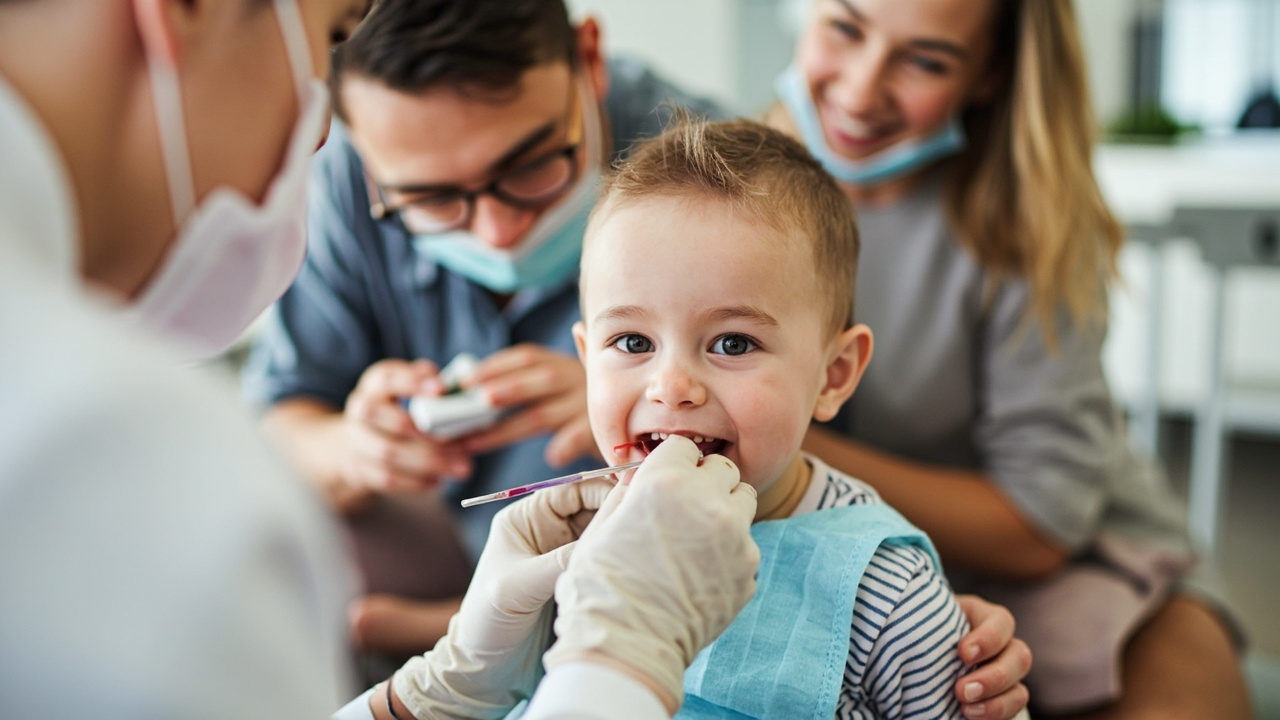
Children’s dental care focuses heavily on prevention and education. The first dental visit sets the tone for future oral health habits. A calm and child friendly dental environment helps reduce anxiety and supports positive experiences.
- Care for children may include:
- Oral health education
- Fissure sealants
- Fluoride treatment
- Growth monitoring
- Monitoring of dental development
Fluoride exposure and fissure sealants play an important role in reducing the risk of tooth decay in children. National oral health guidance in Australia continues to highlight the importance of early preventative care to reduce long term dental disease.
Parents are guided through brushing techniques, diet considerations, and how to support good habits at home. Monitoring development allows early identification of alignment or spacing concerns.
How Does Dental Care Change During the Teenage Years?
- Teen oral health presents different challenges. Increased independence, dietary choices, and sporting activities can influence oral health outcomes.
- Teenage dental care often includes:
- Orthodontic assessment
- Sports mouthguards
- Diet guidance
- Gum health monitoring
- Reinforcement of hygiene routines
Orthodontic assessment helps determine whether alignment concerns require monitoring or referral. Custom mouthguards protect developing teeth during contact sports. Clear communication with teenagers supports responsibility for their own oral health.
Preventative care remains central during adolescence. Regular examinations and professional
A healthy smile does not begin in adulthood. It starts in childhood and evolves through the teenage years, into adulthood, and beyond. Family dentistry in Cranebrook is about caring for every generation with age appropriate guidance, preventative focus, and thoughtful long term planning. It is not simply about treating problems. It is about monitoring growth, supporting development, and maintaining comfort and function at every life stage.
Cranebrook family dentistry places emphasis on preventative care for families, oral health education, and individual treatment suitability. From a child’s first dental visit to senior denture maintenance, each stage of life requires a slightly different approach.
Why Is Early Dental Care Important for Children?
Children’s dental care focuses heavily on prevention and education. The first dental visit sets the tone for future oral health habits. A calm and child friendly dental environment helps reduce anxiety and supports positive experiences.
- Care for children may include:
- Oral health education
- Fissure sealants
- Fluoride treatment
- Growth monitoring
- Monitoring of dental development
Fluoride exposure and fissure sealants play an important role in reducing the risk of tooth decay in children. National oral health guidance in Australia continues to highlight the importance of early preventative care to reduce long term dental disease.
Parents are guided through brushing techniques, diet considerations, and how to support good habits at home. Monitoring development allows early identification of alignment or spacing concerns.
How Does Dental Care Change During the Teenage Years?
- Teen oral health presents different challenges. Increased independence, dietary choices, and sporting activities can influence oral health outcomes.
- Teenage dental care often includes:
- Orthodontic assessment
- Sports mouthguards
- Diet guidance
- Gum health monitoring
- Reinforcement of hygiene routines
Orthodontic assessment helps determine whether alignment concerns require monitoring or referral. Custom mouthguards protect developing teeth during contact sports. Clear communication with teenagers supports responsibility for their own oral health.
Preventative care remains central during adolescence. Regular examinations and professional Check-Up & Clean & Clean appointments reduce the likelihood of decay and gum inflammation during these formative years.
cleaning
What Does Comprehensive Dental Care Look Like for Adults?
For adults, family dentistry shifts towards maintenance and restorative support when required. Work, family responsibilities, and busy schedules often lead to postponed appointments. However, regular monitoring remains essential.
- Adult dental services may include:
- Comprehensive oral health assessments
- Restorative treatments
- Periodontal care
- Bite analysis
- Monitoring of existing restorations
Gum health becomes particularly important during adulthood. Periodontal charting allows early diagnosis of
A healthy smile does not begin in adulthood. It starts in childhood and evolves through the teenage years, into adulthood, and beyond. Family dentistry in Cranebrook is about caring for every generation with age appropriate guidance, preventative focus, and thoughtful long term planning. It is not simply about treating problems. It is about monitoring growth, supporting development, and maintaining comfort and function at every life stage.
Cranebrook family dentistry places emphasis on preventative care for families, oral health education, and individual treatment suitability. From a child’s first dental visit to senior denture maintenance, each stage of life requires a slightly different approach.
Why Is Early Dental Care Important for Children?
Children’s dental care focuses heavily on prevention and education. The first dental visit sets the tone for future oral health habits. A calm and child friendly dental environment helps reduce anxiety and supports positive experiences.
- Care for children may include:
- Oral health education
- Fissure sealants
- Fluoride treatment
- Growth monitoring
- Monitoring of dental development
Fluoride exposure and fissure sealants play an important role in reducing the risk of tooth decay in children. National oral health guidance in Australia continues to highlight the importance of early preventative care to reduce long term dental disease.
Parents are guided through brushing techniques, diet considerations, and how to support good habits at home. Monitoring development allows early identification of alignment or spacing concerns.
How Does Dental Care Change During the Teenage Years?
- Teen oral health presents different challenges. Increased independence, dietary choices, and sporting activities can influence oral health outcomes.
- Teenage dental care often includes:
- Orthodontic assessment
- Sports mouthguards
- Diet guidance
- Gum health monitoring
- Reinforcement of hygiene routines
Orthodontic assessment helps determine whether alignment concerns require monitoring or referral. Custom mouthguards protect developing teeth during contact sports. Clear communication with teenagers supports responsibility for their own oral health.
Preventative care remains central during adolescence. Regular examinations and professional
A healthy smile does not begin in adulthood. It starts in childhood and evolves through the teenage years, into adulthood, and beyond. Family dentistry in Cranebrook is about caring for every generation with age appropriate guidance, preventative focus, and thoughtful long term planning. It is not simply about treating problems. It is about monitoring growth, supporting development, and maintaining comfort and function at every life stage.
Cranebrook family dentistry places emphasis on preventative care for families, oral health education, and individual treatment suitability. From a child’s first dental visit to senior denture maintenance, each stage of life requires a slightly different approach.
Why Is Early Dental Care Important for Children?
Children’s dental care focuses heavily on prevention and education. The first dental visit sets the tone for future oral health habits. A calm and child friendly dental environment helps reduce anxiety and supports positive experiences.
- Care for children may include:
- Oral health education
- Fissure sealants
- Fluoride treatment
- Growth monitoring
- Monitoring of dental development
Fluoride exposure and fissure sealants play an important role in reducing the risk of tooth decay in children. National oral health guidance in Australia continues to highlight the importance of early preventative care to reduce long term dental disease.
Parents are guided through brushing techniques, diet considerations, and how to support good habits at home. Monitoring development allows early identification of alignment or spacing concerns.
How Does Dental Care Change During the Teenage Years?
- Teen oral health presents different challenges. Increased independence, dietary choices, and sporting activities can influence oral health outcomes.
- Teenage dental care often includes:
- Orthodontic assessment
- Sports mouthguards
- Diet guidance
- Gum health monitoring
- Reinforcement of hygiene routines
Orthodontic assessment helps determine whether alignment concerns require monitoring or referral. Custom mouthguards protect developing teeth during contact sports. Clear communication with teenagers supports responsibility for their own oral health.
Preventative care remains central during adolescence. Regular examinations and professional Check-Up & Clean appointments reduce the likelihood of decay and gum inflammation during these formative years.
cleaning
What Does Comprehensive Dental Care Look Like for Adults?
For adults, family dentistry shifts towards maintenance and restorative support when required. Work, family responsibilities, and busy schedules often lead to postponed appointments. However, regular monitoring remains essential.
- Adult dental services may include:
- Comprehensive oral health assessments
- Restorative treatments
- Periodontal care
- Bite analysis
- Monitoring of existing restorations
Gum health becomes particularly important during adulthood. Periodontal charting allows early diagnosis of All Services, which is common among Australian adults. Structured recall systems support long term oral health maintenance and reduce the likelihood of complex treatment later.
Restorative treatments such as tooth coloured fillings,
A healthy smile does not begin in adulthood. It starts in childhood and evolves through the teenage years, into adulthood, and beyond. Family dentistry in Cranebrook is about caring for every generation with age appropriate guidance, preventative focus, and thoughtful long term planning. It is not simply about treating problems. It is about monitoring growth, supporting development, and maintaining comfort and function at every life stage.
Cranebrook family dentistry places emphasis on preventative care for families, oral health education, and individual treatment suitability. From a child’s first dental visit to senior denture maintenance, each stage of life requires a slightly different approach.
Why Is Early Dental Care Important for Children?
Children’s dental care focuses heavily on prevention and education. The first dental visit sets the tone for future oral health habits. A calm and child friendly dental environment helps reduce anxiety and supports positive experiences.
- Care for children may include:
- Oral health education
- Fissure sealants
- Fluoride treatment
- Growth monitoring
- Monitoring of dental development
Fluoride exposure and fissure sealants play an important role in reducing the risk of tooth decay in children. National oral health guidance in Australia continues to highlight the importance of early preventative care to reduce long term dental disease.
Parents are guided through brushing techniques, diet considerations, and how to support good habits at home. Monitoring development allows early identification of alignment or spacing concerns.
How Does Dental Care Change During the Teenage Years?
- Teen oral health presents different challenges. Increased independence, dietary choices, and sporting activities can influence oral health outcomes.
- Teenage dental care often includes:
- Orthodontic assessment
- Sports mouthguards
- Diet guidance
- Gum health monitoring
- Reinforcement of hygiene routines
Orthodontic assessment helps determine whether alignment concerns require monitoring or referral. Custom mouthguards protect developing teeth during contact sports. Clear communication with teenagers supports responsibility for their own oral health.
Preventative care remains central during adolescence. Regular examinations and professional cleaning appointments reduce the likelihood of decay and gum inflammation during these formative years.
What Does Comprehensive Dental Care Look Like for Adults?
For adults, family dentistry shifts towards maintenance and restorative support when required. Work, family responsibilities, and busy schedules often lead to postponed appointments. However, regular monitoring remains essential.
- Adult dental services may include:
- Comprehensive oral health assessments
- Restorative treatments
- Periodontal care
- Bite analysis
- Monitoring of existing restorations
Gum health becomes particularly important during adulthood. Periodontal charting allows early diagnosis of gum disease, which is common among Australian adults. Structured recall systems support long term oral health maintenance and reduce the likelihood of complex treatment later.
Restorative treatments such as tooth coloured fillings, Crowns & Bridgess & Bridges, or Crowns & Bridges-and-bridges/”>bridges are discussed with careful explanation of risks, maintenance requirements, and suitability. Balanced information ensures informed decision making.
crowns
Table: Dental Care Across Life Stages
| Life Stage | Focus Area | Preventative Priority | Monitoring Needs |
|---|---|---|---|
| Early Childhood | Tooth development | Brushing education | Six to twelve month checks |
| Adolescence | Alignment and hygiene | Orthodontic assessment | Growth monitoring |
| Adulthood | Maintenance and repair | Gum health reviews | Regular examinations |
| Senior Years | Function and comfort | Denture and gum care | Ongoing monitoring |
This structured overview shows how dental priorities evolve over time.
How Is Senior Dental Care Different?
Senior dental maintenance often focuses on comfort, function, and stability. Dry mouth management, denture care, and gum health maintenance become increasingly relevant.
- Senior care may include:
- Denture assessment and adjustment
- Monitoring of gum tissues
- Dry mouth management guidance
- Review of medical history and medications
Age appropriate communication ensures that treatment planning considers overall health and lifestyle factors. Individual suitability assessments remain central at every stage.
Why Is a Preventative Focus So Important for Families?
Preventative care for families reduces the need for
A healthy smile does not begin in adulthood. It starts in childhood and evolves through the teenage years, into adulthood, and beyond. Family dentistry in Cranebrook is about caring for every generation with age appropriate guidance, preventative focus, and thoughtful long term planning. It is not simply about treating problems. It is about monitoring growth, supporting development, and maintaining comfort and function at every life stage.
Cranebrook family dentistry places emphasis on preventative care for families, oral health education, and individual treatment suitability. From a child’s first dental visit to senior denture maintenance, each stage of life requires a slightly different approach.
Why Is Early Dental Care Important for Children?
Children’s dental care focuses heavily on prevention and education. The first dental visit sets the tone for future oral health habits. A calm and child friendly dental environment helps reduce anxiety and supports positive experiences.
- Care for children may include:
- Oral health education
- Fissure sealants
- Fluoride treatment
- Growth monitoring
- Monitoring of dental development
Fluoride exposure and fissure sealants play an important role in reducing the risk of tooth decay in children. National oral health guidance in Australia continues to highlight the importance of early preventative care to reduce long term dental disease.
Parents are guided through brushing techniques, diet considerations, and how to support good habits at home. Monitoring development allows early identification of alignment or spacing concerns.
How Does Dental Care Change During the Teenage Years?
- Teen oral health presents different challenges. Increased independence, dietary choices, and sporting activities can influence oral health outcomes.
- Teenage dental care often includes:
- Orthodontic assessment
- Sports mouthguards
- Diet guidance
- Gum health monitoring
- Reinforcement of hygiene routines
Orthodontic assessment helps determine whether alignment concerns require monitoring or referral. Custom mouthguards protect developing teeth during contact sports. Clear communication with teenagers supports responsibility for their own oral health.
Preventative care remains central during adolescence. Regular examinations and professional cleaning appointments reduce the likelihood of decay and gum inflammation during these formative years.
What Does Comprehensive Dental Care Look Like for Adults?
For adults, family dentistry shifts towards maintenance and restorative support when required. Work, family responsibilities, and busy schedules often lead to postponed appointments. However, regular monitoring remains essential.
- Adult dental services may include:
- Comprehensive oral health assessments
- Restorative treatments
- Periodontal care
- Bite analysis
- Monitoring of existing restorations
Gum health becomes particularly important during adulthood. Periodontal charting allows early diagnosis of gum disease, which is common among Australian adults. Structured recall systems support long term oral health maintenance and reduce the likelihood of complex treatment later.
Restorative treatments such as tooth coloured fillings, crowns, or bridges are discussed with careful explanation of risks, maintenance requirements, and suitability. Balanced information ensures informed decision making.
Table: Dental Care Across Life Stages
| Life Stage | Focus Area | Preventative Priority | Monitoring Needs |
|---|---|---|---|
| Early Childhood | Tooth development | Brushing education | Six to twelve month checks |
| Adolescence | Alignment and hygiene | Orthodontic assessment | Growth monitoring |
| Adulthood | Maintenance and repair | Gum health reviews | Regular examinations |
| Senior Years | Function and comfort | Denture and gum care | Ongoing monitoring |
This structured overview shows how dental priorities evolve over time.
How Is Senior Dental Care Different?
Senior dental maintenance often focuses on comfort, function, and stability. Dry mouth management, denture care, and gum health maintenance become increasingly relevant.
- Senior care may include:
- Denture assessment and adjustment
- Monitoring of gum tissues
- Dry mouth management guidance
- Review of medical history and medications
Age appropriate communication ensures that treatment planning considers overall health and lifestyle factors. Individual suitability assessments remain central at every stage.
Why Is a Preventative Focus So Important for Families?
Preventative care for families reduces the need for Emergency Dentistry Dentistry treatment and supports confidence in oral health. Education is tailored for each age group so that children, teenagers, adults, and seniors all understand how to care for their smiles.
urgent
- Preventative strategies across life stages include:
- Routine examinations
- Professional cleaning
- Fluoride guidance
- Oral hygiene instruction
- Monitoring of dental development
- Early diagnosis of dental conditions
National oral health strategies consistently emphasise prevention as the most effective approach to reducing dental disease burden in communities. Structured recall systems support consistent care rather than reactive visits.
How Does Family Dentistry Strengthen Community Wellbeing?
When families attend the same dental clinic, continuity of care improves. A dentist familiar with a child’s early dental development can better monitor teenage alignment changes and adult restorative needs over time.
Family dentistry also supports convenience. Appointments for multiple family members can often be coordinated, reducing disruption to school and work schedules. More importantly, children observe parents prioritising oral health, reinforcing positive habits.
Where Can Cranebrook Families Find Comprehensive Dental Care?
Choosing a family dentist in Cranebrook involves finding a clinic that understands the different needs of each generation. A practice that provides age appropriate communication, preventative focus, and clear explanation of treatment options builds long term trust.
At M&M Dental Care, our approach to Cranebrook family dentistry is centred on personalised care for every generation. We provide children’s dental care in a calm and supportive environment, guide teenagers through orthodontic assessment and mouthguard protection, and support adults and seniors with preventative and restorative planning. Every treatment recommendation includes a discussion of risks, alternatives, and maintenance requirements so families can make informed decisions. Our commitment to structured recall systems, transparent communication, and long term oral health maintenance ensures that each member of your family receives thoughtful and responsible care at every stage of life.
References
Australian Institute of Health and Welfare. Oral health and dental care in Australia.https://www.aihw.gov.au/reports/dental-oral-health/oral-health-and-dental-care-in-australia
Australian Government Department of Health. National Oral Health Plan 2015 to 2024.https://www.health.gov.au/resources/publications/national-oral-health-plan-2015-2024
Healthdirect Australia. Dental care for children and adults.https://www.healthdirect.gov.au/dental-care
Frequently Asked Questions
1. At what age should a child first see a dentist?
Children should have their first dental visit when their first tooth appears or by their first birthday.
2. How often should families attend dental check ups?
Most family members benefit from reviews every six to twelve months, although individual needs vary.
3. Are fissure sealants necessary for all children?
Suitability depends on cavity risk and tooth anatomy. A consultation determines whether sealants are appropriate.
4. Why is gum health important for adults?
Gum disease can progress quietly and affect supporting bone. Regular periodontal assessment helps maintain stability.
5. Do seniors require different dental care?
Yes. Dry mouth, medical conditions, and denture maintenance require tailored monitoring and management.
6. Can one dentist treat the whole family?
Many family dentists are experienced in caring for patients across all age groups, adjusting communication and treatment planning accordingly.
DisclaimerAll dental procedures involve potential risks and benefits. The information provided in this blog is general in nature and should not be taken as medical advice. We recommend that you seek guidance from a suitably qualified health professional before making decisions about your oral health. Where appropriate, you may also wish to consider obtaining a second opinion.Any images or videos featured are shared with the informed consent of our patients and are intended for educational purposes only. They are not a guarantee of results, as every patient is unique. Treatment outcomes — including recovery, potential complications, and effectiveness — can vary from person to person.