Why Is Preserving Your Natural Teeth So Important?
When it comes to long-term oral health, there is no substitute quite like your natural teeth. Maintaining your original tooth structure supports proper chewing function, jawbone health, and natural alignment of neighbouring teeth. In Blacktown and surrounding areas, root canal treatment serves as a vital intervention that may allow individuals to retain a tooth that would otherwise require removal. By addressing deep infections or inflammation within the tooth pulp, this treatment may help manage discomfort and support tooth longevity.
What Happens When the Tooth Pulp Becomes Infected?
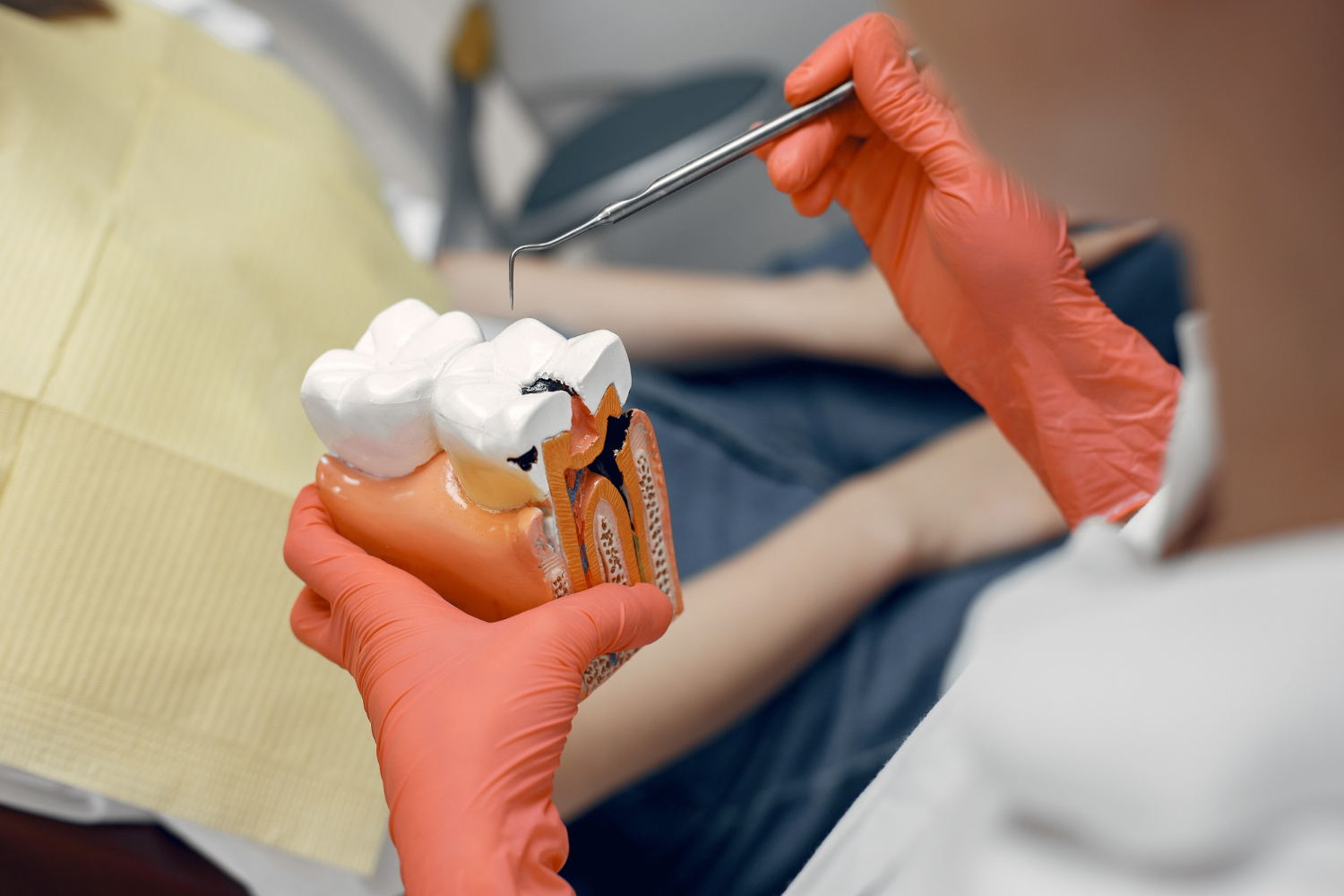
Inside every tooth is a soft tissue called pulp, which contains nerves and blood vessels. When decay reaches deep into this tissue—or when the tooth experiences trauma—bacteria can infect the pulp, resulting in inflammation, swelling, and sometimes abscess formation.
Common symptoms of pulp infection may include:
- Persistent or throbbing toothache
- Lingering sensitivity to hot or cold
- Discomfort when chewing or touching the tooth
- Discolouration of the affected tooth
- Swelling or tenderness in the nearby gums
Left untreated, the infection can spread to surrounding tissue and may result in tooth loss or more serious complications.
How Does Root Canal Treatment Work?
Root canal therapy is designed to clean and disinfect the inner chambers of the tooth, followed by sealing the space to help prevent reinfection. It typically involves the following steps:
- Diagnostic imaging and assessment
- Administration of local anaesthetic
- Removal of infected or inflamed pulp tissue
- Cleaning, shaping, and disinfecting the root canals
- Filling the canals with a biocompatible material
- Final sealing and, where required, restoration with a crown
Treatment is usually performed across one or two visits, depending on the complexity of the case and individual healing responses.
What Are the Advantages of Root Canal Therapy?
Root canal treatment offers several important clinical benefits:
- Preserves your natural tooth structure
- Supports normal chewing and speaking function
- Reduces the risk of adjacent teeth shifting
- Helps avoid extraction and tooth replacement options
- Aims to manage discomfort associated with infection
By retaining the natural tooth, the procedure may contribute to long-term oral health, especially when followed up with a durable restoration like a dental crown.
When Might You Require a Root Canal Treatment?
While diagnosis should be carried out by a qualified dental professional, common indicators that may suggest the need for root canal therapy include:
- Deep decay that has reached the inner pulp
- Recurrent dental abscesses
- Significant trauma or cracks in the tooth
- Previous dental procedures that have compromised the pulp
- Ongoing inflammation not responsive to other treatment
Early detection is key to minimising structural damage and preserving the tooth.
What Are the Alternatives to Root Canal Treatment?
In cases where the tooth cannot be salvaged, extraction may be considered. However, removing a tooth may require follow-up restorative solutions to maintain proper bite alignment and jaw health. Common alternatives include:
While these solutions may restore function and aesthetics, they may not fully replicate the biomechanical advantages of the natural tooth root.
How Does Root Canal Treatment Compare to Tooth Extraction?
| Feature | Root Canal Treatment | Tooth Extraction |
|---|---|---|
| Tooth Preservation | ✓ Helps retain natural tooth | ✗ Tooth removed |
| Chewing Function | ✓ Generally retained | ✗ May be affected without replacement |
| Treatment Duration | ✓ 1–2 visits in many cases | Often completed in 1 visit |
| Long-Term Maintenance | Crown or restoration may be needed | Implant, bridge, or denture may be needed |
| Jawbone Health | ✓ Maintains natural root stimulation | ✗ Risk of bone resorption over time |
What Should You Expect After the Procedure?
Following root canal treatment, it’s normal to experience some temporary tenderness or mild discomfort, which typically subsides within a few days. Aftercare and restoration are key to the longevity of the treated tooth.
Post-treatment care tips include:
- Avoid chewing on hard foods until the tooth is restored
- Maintain regular brushing and flossing habits
- Use a soft-bristled toothbrush and non-abrasive toothpaste
- Attend follow-up appointments for restoration or review
- Inform your dentist of any unusual symptoms or concerns
What Role Does a Crown Play in Treatment Recovery?
In many cases, a dental crown is placed on top of the treated tooth to provide structural integrity and restore function. A crown helps protect the tooth from further wear and may improve long-term stability. Your dentist will assess the condition of the remaining tooth structure to determine whether a crown is appropriate.
Why Choose Local Care for Root Canal Treatment?
Seeking care from a dentist in your local Blacktown community can offer several practical advantages:
- Timely access to care
- Familiarity with your dental history
- Convenient follow-up and maintenance visits
- Ongoing support for preventive and restorative needs
Selecting a dentist you trust contributes to a more comfortable and informed treatment experience. Understanding what makes a local dentist stand out can help you choose the right provider.
Why Consider M&M Dental Care for Your Endodontic Needs?
At M&M Dental Care, we focus on delivering personalised, evidence-based dental treatment tailored to the needs of each patient. Our team provides root canal therapy using modern techniques and diagnostic tools, with a focus on preserving your natural teeth where possible. We understand the importance of patient comfort, open communication, and long-term care planning. If you’re experiencing dental discomfort or have been advised that a root canal may be necessary, we’re here to support you with clarity and care at every stage of your treatment.
For residents of Blacktown and surrounding suburbs, M&M Dental Care is committed to providing access to professional dental care in a welcoming, local environment.
References
Australian Dental Association – https://www.ada.org.au
Better Health Channel (Vic Gov) – Root Canal Treatment: https://www.betterhealth.vic.gov.au/health/conditionsandtreatments/root-canal-treatment
NSW Health – Oral Health Information: https://www.health.nsw.gov.au/oralhealth
Frequently Asked Questions
1. Is root canal treatment painful?
Local anaesthesia is used to help ensure the procedure is as comfortable as possible. While some sensitivity may be present afterwards, this typically subsides within a few days.
2. How long does a root canal-treated tooth last?
With proper care and follow-up restorations such as crowns, a treated tooth can last many years. Lifespan varies based on factors like oral hygiene and chewing habits.
3. Will I need a crown after my root canal?
In many cases, a crown is recommended to restore strength and function, particularly for back teeth that endure heavy chewing forces.
4. Can a root canal fail or require retreatment?
In some cases, retreatment may be necessary if infection persists or returns. Monitoring the tooth through regular dental check-ups is important.
5. Is it better to extract the tooth instead?
Preserving the natural tooth is often preferred when possible, as it helps maintain bite function and jawbone integrity. Extraction may be considered if the tooth is beyond repair.
6. How can I prevent needing a root canal in the future?
Maintain good oral hygiene habits, attend regular dental check-ups, and address minor issues early to reduce the risk of decay progressing to the tooth pulp.
Disclaimer
All dental procedures involve potential risks and benefits. The information provided in this blog is general in nature and should not be taken as medical advice. We recommend that you seek guidance from a suitably qualified health professional before making decisions about your oral health. Where appropriate, you may also wish to consider obtaining a second opinion.
Any images or videos featured are shared with the informed consent of our patients and are intended for educational purposes only. They are not a guarantee of results, as every patient is unique. Treatment outcomes — including recovery, potential complications, and effectiveness — can vary from person to person.