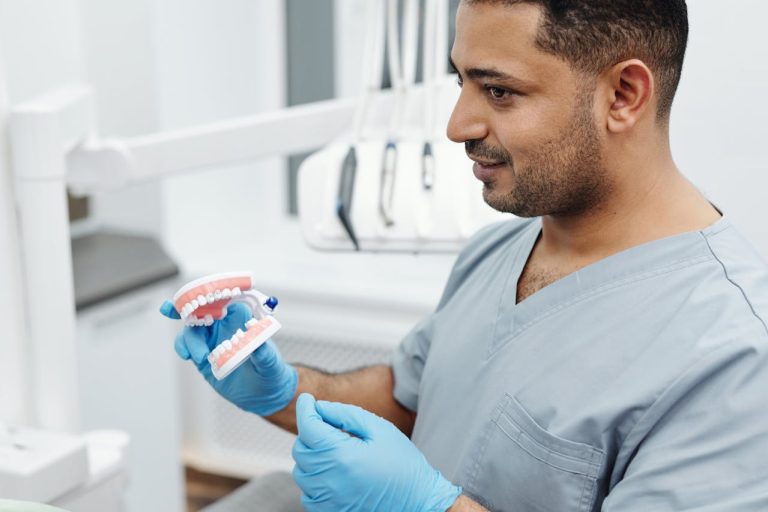
Gum swelling is a common oral health issue that can cause discomfort, pain, and concern. It can present in various forms, from mild puffiness to severe inflammation that interferes with daily activities such as eating and brushing. But can gum swelling go away on its own, and what can be done to treat and prevent it? Let’s take a detailed look.
What Are the Typical Signs and Attributes of Gum Swelling?
Swollen gums often exhibit a combination of the following characteristics:
| Attribute | Description |
| Colour change | Gums may appear red, dark pink or even purplish |
| Texture | Gums may become smooth, shiny, and puffy |
| Sensitivity | Pain or tenderness, particularly while brushing or eating |
| Bleeding | Gums may bleed during brushing or flossing |
| Bad breath | Foul odour caused by underlying inflammation or infection |
| Localised or generalised | Swelling can occur in one area or across the entire gum line |
| Acute or chronic | May appear suddenly or develop slowly over time |
What Causes Swollen Gums?
Gum swelling can be the result of multiple factors, some more serious than others. Common causes include:
- Poor oral hygiene habits
- Buildup of plaque and bacteria, leading to gingivitis
- Infection or abscess in the gum or tooth
- Eruption of new teeth, particularly
Gum swelling is a common oral health issue that can cause discomfort, pain, and concern. It can present in various forms, from mild puffiness to severe inflammation that interferes with daily activities such as eating and brushing. But can gum swelling go away on its own, and what can be done to treat and prevent it? Let’s take a detailed look.
What Are the Typical Signs and Attributes of Gum Swelling?
Swollen gums often exhibit a combination of the following characteristics:
Attribute Description Colour change Gums may appear red, dark pink or even purplish Texture Gums may become smooth, shiny, and puffy Sensitivity Pain or tenderness, particularly while brushing or eating Bleeding Gums may bleed during brushing or flossing Bad breath Foul odour caused by underlying inflammation or infection Localised or generalised Swelling can occur in one area or across the entire gum line Acute or chronic May appear suddenly or develop slowly over time What Causes Swollen Gums?
Gum swelling can be the result of multiple factors, some more serious than others. Common causes include:
- Poor oral hygiene habits
- Buildup of plaque and bacteria, leading to gingivitis
- Infection or abscess in the gum or tooth
- Eruption of new teeth, particularly Wisdom Teeth Removal Removal
- Hormonal fluctuations such as during pregnancy
- Nutritional deficiencies, especially in vitamin C
- Irritation from
Gum swelling is a common oral health issue that can cause discomfort, pain, and concern. It can present in various forms, from mild puffiness to severe inflammation that interferes with daily activities such as eating and brushing. But can gum swelling go away on its own, and what can be done to treat and prevent it? Let’s take a detailed look.
What Are the Typical Signs and Attributes of Gum Swelling?
Swollen gums often exhibit a combination of the following characteristics:
Attribute Description Colour change Gums may appear red, dark pink or even purplish Texture Gums may become smooth, shiny, and puffy Sensitivity Pain or tenderness, particularly while brushing or eating Bleeding Gums may bleed during brushing or flossing Bad breath Foul odour caused by underlying inflammation or infection Localised or generalised Swelling can occur in one area or across the entire gum line Acute or chronic May appear suddenly or develop slowly over time What Causes Swollen Gums?
Gum swelling can be the result of multiple factors, some more serious than others. Common causes include:
- Poor oral hygiene habits
- Buildup of plaque and bacteria, leading to gingivitis
- Infection or abscess in the gum or tooth
- Eruption of new teeth, particularly
Gum swelling is a common oral health issue that can cause discomfort, pain, and concern. It can present in various forms, from mild puffiness to severe inflammation that interferes with daily activities such as eating and brushing. But can gum swelling go away on its own, and what can be done to treat and prevent it? Let’s take a detailed look.
What Are the Typical Signs and Attributes of Gum Swelling?
Swollen gums often exhibit a combination of the following characteristics:
Attribute Description Colour change Gums may appear red, dark pink or even purplish Texture Gums may become smooth, shiny, and puffy Sensitivity Pain or tenderness, particularly while brushing or eating Bleeding Gums may bleed during brushing or flossing Bad breath Foul odour caused by underlying inflammation or infection Localised or generalised Swelling can occur in one area or across the entire gum line Acute or chronic May appear suddenly or develop slowly over time What Causes Swollen Gums?
Gum swelling can be the result of multiple factors, some more serious than others. Common causes include:
- Poor oral hygiene habits
- Buildup of plaque and bacteria, leading to gingivitis
- Infection or abscess in the gum or tooth
- Eruption of new teeth, particularly Wisdom Teeth Removal
- Hormonal fluctuations such as during pregnancy
- Nutritional deficiencies, especially in vitamin C
- Irritation from Orthodontics or poorly fitting dentures
- Mouth ulcers or trauma from hard brushing
Orthodonticswisdom teeth
Is Gum Swelling Reversible?
In many cases, gum swelling can go away, especially when caused by reversible conditions like gingivitis or irritation. Early intervention and improved dental care habits can often restore gum health without the need for complex procedures. However, chronic gum swelling related to periodontitis or underlying infections requires professional treatment and ongoing management.
How Can Swollen Gums Be Treated Effectively?
Depending on the cause, gum swelling treatment may include the following interventions:
Treatment Type Examples At-home care Improved brushing and flossing, soft-bristle toothbrush, gentle technique Over-the-counter Use of antibacterial or antiseptic mouthwash Professional care Scaling and root planing to remove plaque below the gumline, antibiotics for infection, or drainage of a dental abscess Lifestyle changes Quitting smoking, balanced diet, staying hydrated Early dental intervention ensures reversible conditions like gingivitis do not progress to more serious concerns like periodontitis.
What’s the Difference Between Gingivitis and Periodontitis?
These two gum conditions are often confused but differ in progression and severity:
Feature Gingivitis Periodontitis Cause Plaque buildup Untreated gingivitis leading to deeper infection Symptoms Swollen, red gums Gum recession, loose teeth, and bone loss Reversible? Yes No, but it is manageable Pain Mild or none Moderate to severe Bleeding Common Also common Bone loss No Yes How Can I Prevent Gum Swelling from Returning?
Once the swelling subsides or treatment has been completed, maintaining good oral hygiene and preventive care is key:
- Brush at least twice daily using a soft-bristled toothbrush
- Floss once per day to remove plaque from between the teeth
- Use an antibacterial mouthwash to reduce bacteria
- Visit your dentist every 6 months for professional
Gum swelling is a common oral health issue that can cause discomfort, pain, and concern. It can present in various forms, from mild puffiness to severe inflammation that interferes with daily activities such as eating and brushing. But can gum swelling go away on its own, and what can be done to treat and prevent it? Let’s take a detailed look.
What Are the Typical Signs and Attributes of Gum Swelling?
Swollen gums often exhibit a combination of the following characteristics:
Attribute Description Colour change Gums may appear red, dark pink or even purplish Texture Gums may become smooth, shiny, and puffy Sensitivity Pain or tenderness, particularly while brushing or eating Bleeding Gums may bleed during brushing or flossing Bad breath Foul odour caused by underlying inflammation or infection Localised or generalised Swelling can occur in one area or across the entire gum line Acute or chronic May appear suddenly or develop slowly over time What Causes Swollen Gums?
Gum swelling can be the result of multiple factors, some more serious than others. Common causes include:
- Poor oral hygiene habits
- Buildup of plaque and bacteria, leading to gingivitis
- Infection or abscess in the gum or tooth
- Eruption of new teeth, particularly
Gum swelling is a common oral health issue that can cause discomfort, pain, and concern. It can present in various forms, from mild puffiness to severe inflammation that interferes with daily activities such as eating and brushing. But can gum swelling go away on its own, and what can be done to treat and prevent it? Let’s take a detailed look.
What Are the Typical Signs and Attributes of Gum Swelling?
Swollen gums often exhibit a combination of the following characteristics:
Attribute Description Colour change Gums may appear red, dark pink or even purplish Texture Gums may become smooth, shiny, and puffy Sensitivity Pain or tenderness, particularly while brushing or eating Bleeding Gums may bleed during brushing or flossing Bad breath Foul odour caused by underlying inflammation or infection Localised or generalised Swelling can occur in one area or across the entire gum line Acute or chronic May appear suddenly or develop slowly over time What Causes Swollen Gums?
Gum swelling can be the result of multiple factors, some more serious than others. Common causes include:
- Poor oral hygiene habits
- Buildup of plaque and bacteria, leading to gingivitis
- Infection or abscess in the gum or tooth
- Eruption of new teeth, particularly Wisdom Teeth Removal
- Hormonal fluctuations such as during pregnancy
- Nutritional deficiencies, especially in vitamin C
- Irritation from
Gum swelling is a common oral health issue that can cause discomfort, pain, and concern. It can present in various forms, from mild puffiness to severe inflammation that interferes with daily activities such as eating and brushing. But can gum swelling go away on its own, and what can be done to treat and prevent it? Let’s take a detailed look.
What Are the Typical Signs and Attributes of Gum Swelling?
Swollen gums often exhibit a combination of the following characteristics:
Attribute Description Colour change Gums may appear red, dark pink or even purplish Texture Gums may become smooth, shiny, and puffy Sensitivity Pain or tenderness, particularly while brushing or eating Bleeding Gums may bleed during brushing or flossing Bad breath Foul odour caused by underlying inflammation or infection Localised or generalised Swelling can occur in one area or across the entire gum line Acute or chronic May appear suddenly or develop slowly over time What Causes Swollen Gums?
Gum swelling can be the result of multiple factors, some more serious than others. Common causes include:
- Poor oral hygiene habits
- Buildup of plaque and bacteria, leading to gingivitis
- Infection or abscess in the gum or tooth
- Eruption of new teeth, particularly
Gum swelling is a common oral health issue that can cause discomfort, pain, and concern. It can present in various forms, from mild puffiness to severe inflammation that interferes with daily activities such as eating and brushing. But can gum swelling go away on its own, and what can be done to treat and prevent it? Let’s take a detailed look.
What Are the Typical Signs and Attributes of Gum Swelling?
Swollen gums often exhibit a combination of the following characteristics:
Attribute Description Colour change Gums may appear red, dark pink or even purplish Texture Gums may become smooth, shiny, and puffy Sensitivity Pain or tenderness, particularly while brushing or eating Bleeding Gums may bleed during brushing or flossing Bad breath Foul odour caused by underlying inflammation or infection Localised or generalised Swelling can occur in one area or across the entire gum line Acute or chronic May appear suddenly or develop slowly over time What Causes Swollen Gums?
Gum swelling can be the result of multiple factors, some more serious than others. Common causes include:
- Poor oral hygiene habits
- Buildup of plaque and bacteria, leading to gingivitis
- Infection or abscess in the gum or tooth
- Eruption of new teeth, particularly Wisdom Teeth Removal
- Hormonal fluctuations such as during pregnancy
- Nutritional deficiencies, especially in vitamin C
- Irritation from Orthodontics or poorly fitting dentures
- Mouth ulcers or trauma from hard brushing
braceswisdom teeth
Is Gum Swelling Reversible?
In many cases, gum swelling can go away, especially when caused by reversible conditions like gingivitis or irritation. Early intervention and improved dental care habits can often restore gum health without the need for complex procedures. However, chronic gum swelling related to periodontitis or underlying infections requires professional treatment and ongoing management.
How Can Swollen Gums Be Treated Effectively?
Depending on the cause, gum swelling treatment may include the following interventions:
Treatment Type Examples At-home care Improved brushing and flossing, soft-bristle toothbrush, gentle technique Over-the-counter Use of antibacterial or antiseptic mouthwash Professional care Scaling and root planing to remove plaque below the gumline, antibiotics for infection, or drainage of a dental abscess Lifestyle changes Quitting smoking, balanced diet, staying hydrated Early dental intervention ensures reversible conditions like gingivitis do not progress to more serious concerns like periodontitis.
What’s the Difference Between Gingivitis and Periodontitis?
These two gum conditions are often confused but differ in progression and severity:
Feature Gingivitis Periodontitis Cause Plaque buildup Untreated gingivitis leading to deeper infection Symptoms Swollen, red gums Gum recession, loose teeth, and bone loss Reversible? Yes No, but it is manageable Pain Mild or none Moderate to severe Bleeding Common Also common Bone loss No Yes How Can I Prevent Gum Swelling from Returning?
Once the swelling subsides or treatment has been completed, maintaining good oral hygiene and preventive care is key:
- Brush at least twice daily using a soft-bristled toothbrush
- Floss once per day to remove plaque from between the teeth
- Use an antibacterial mouthwash to reduce bacteria
- Visit your dentist every 6 months for professional Check-Up & Clean & Clean
- Avoid smoking and excessive alcohol use
- Maintain a diet rich in vitamins, especially vitamin C and D
- Drink plenty of water to stay hydrated and encourage saliva production
- Avoid aggressive brushing which can irritate the gum line
cleaning
Should I See a Dentist for Gum Swelling?
Yes. While minor gum irritation may resolve with improved hygiene, persistent or worsening gum swelling should always be assessed by a dental professional. Swelling that is painful, localised, or associated with pus or fever may indicate an abscess or serious infection that requires immediate attention.
Delaying treatment for swollen gums increases the risk of progression to periodontal disease, which may involve irreversible damage such as bone loss or tooth mobility.
How Long Does It Take for Gum Swelling to Go Away?
The duration varies depending on the cause:
- Mild gingivitis may resolve within a week of improved oral care
- Hormonal swelling (e.g., during pregnancy) may persist but can be managed
- Infection or abscess requires treatment and may take longer to resolve
- Swelling due to braces or dental appliances can subside once irritation is addressed or adjusted by a professional
If the swelling does not show signs of improvement within a few days, seek dental advice.
Why Is Professional Dental Care Essential in Managing Gum Health?
Only a dentist or dental hygienist can:
- Diagnose the underlying cause of the swelling
- Remove hardened plaque (calculus) that brushing can’t eliminate
- Recommend specific treatment such as scaling and root planing
- Prescribe antibiotics or carry out drainage if needed
- Monitor gum health over time to prevent recurrence
Consistent professional care is essential for preventing minor issues from escalating into chronic periodontal problems.
Why Choose M&M Dental Care for Your Gum Health Needs?
At M&M Dental Care, we believe that a healthy smile starts with healthy gums.
Gum swelling is a common oral health issue that can cause discomfort, pain, and concern. It can present in various forms, from mild puffiness to severe inflammation that interferes with daily activities such as eating and brushing. But can gum swelling go away on its own, and what can be done to treat and prevent it? Let’s take a detailed look.
What Are the Typical Signs and Attributes of Gum Swelling?
Swollen gums often exhibit a combination of the following characteristics:
Attribute Description Colour change Gums may appear red, dark pink or even purplish Texture Gums may become smooth, shiny, and puffy Sensitivity Pain or tenderness, particularly while brushing or eating Bleeding Gums may bleed during brushing or flossing Bad breath Foul odour caused by underlying inflammation or infection Localised or generalised Swelling can occur in one area or across the entire gum line Acute or chronic May appear suddenly or develop slowly over time What Causes Swollen Gums?
Gum swelling can be the result of multiple factors, some more serious than others. Common causes include:
- Poor oral hygiene habits
- Buildup of plaque and bacteria, leading to gingivitis
- Infection or abscess in the gum or tooth
- Eruption of new teeth, particularly
Gum swelling is a common oral health issue that can cause discomfort, pain, and concern. It can present in various forms, from mild puffiness to severe inflammation that interferes with daily activities such as eating and brushing. But can gum swelling go away on its own, and what can be done to treat and prevent it? Let’s take a detailed look.
What Are the Typical Signs and Attributes of Gum Swelling?
Swollen gums often exhibit a combination of the following characteristics:
Attribute Description Colour change Gums may appear red, dark pink or even purplish Texture Gums may become smooth, shiny, and puffy Sensitivity Pain or tenderness, particularly while brushing or eating Bleeding Gums may bleed during brushing or flossing Bad breath Foul odour caused by underlying inflammation or infection Localised or generalised Swelling can occur in one area or across the entire gum line Acute or chronic May appear suddenly or develop slowly over time What Causes Swollen Gums?
Gum swelling can be the result of multiple factors, some more serious than others. Common causes include:
- Poor oral hygiene habits
- Buildup of plaque and bacteria, leading to gingivitis
- Infection or abscess in the gum or tooth
- Eruption of new teeth, particularly Wisdom Teeth Removal
- Hormonal fluctuations such as during pregnancy
- Nutritional deficiencies, especially in vitamin C
- Irritation from
Gum swelling is a common oral health issue that can cause discomfort, pain, and concern. It can present in various forms, from mild puffiness to severe inflammation that interferes with daily activities such as eating and brushing. But can gum swelling go away on its own, and what can be done to treat and prevent it? Let’s take a detailed look.
What Are the Typical Signs and Attributes of Gum Swelling?
Swollen gums often exhibit a combination of the following characteristics:
Attribute Description Colour change Gums may appear red, dark pink or even purplish Texture Gums may become smooth, shiny, and puffy Sensitivity Pain or tenderness, particularly while brushing or eating Bleeding Gums may bleed during brushing or flossing Bad breath Foul odour caused by underlying inflammation or infection Localised or generalised Swelling can occur in one area or across the entire gum line Acute or chronic May appear suddenly or develop slowly over time What Causes Swollen Gums?
Gum swelling can be the result of multiple factors, some more serious than others. Common causes include:
- Poor oral hygiene habits
- Buildup of plaque and bacteria, leading to gingivitis
- Infection or abscess in the gum or tooth
- Eruption of new teeth, particularly
Gum swelling is a common oral health issue that can cause discomfort, pain, and concern. It can present in various forms, from mild puffiness to severe inflammation that interferes with daily activities such as eating and brushing. But can gum swelling go away on its own, and what can be done to treat and prevent it? Let’s take a detailed look.
What Are the Typical Signs and Attributes of Gum Swelling?
Swollen gums often exhibit a combination of the following characteristics:
Attribute Description Colour change Gums may appear red, dark pink or even purplish Texture Gums may become smooth, shiny, and puffy Sensitivity Pain or tenderness, particularly while brushing or eating Bleeding Gums may bleed during brushing or flossing Bad breath Foul odour caused by underlying inflammation or infection Localised or generalised Swelling can occur in one area or across the entire gum line Acute or chronic May appear suddenly or develop slowly over time What Causes Swollen Gums?
Gum swelling can be the result of multiple factors, some more serious than others. Common causes include:
- Poor oral hygiene habits
- Buildup of plaque and bacteria, leading to gingivitis
- Infection or abscess in the gum or tooth
- Eruption of new teeth, particularly Wisdom Teeth Removal
- Hormonal fluctuations such as during pregnancy
- Nutritional deficiencies, especially in vitamin C
- Irritation from Orthodontics or poorly fitting dentures
- Mouth ulcers or trauma from hard brushing
braceswisdom teeth
Is Gum Swelling Reversible?
In many cases, gum swelling can go away, especially when caused by reversible conditions like gingivitis or irritation. Early intervention and improved dental care habits can often restore gum health without the need for complex procedures. However, chronic gum swelling related to periodontitis or underlying infections requires professional treatment and ongoing management.
How Can Swollen Gums Be Treated Effectively?
Depending on the cause, gum swelling treatment may include the following interventions:
Treatment Type Examples At-home care Improved brushing and flossing, soft-bristle toothbrush, gentle technique Over-the-counter Use of antibacterial or antiseptic mouthwash Professional care Scaling and root planing to remove plaque below the gumline, antibiotics for infection, or drainage of a dental abscess Lifestyle changes Quitting smoking, balanced diet, staying hydrated Early dental intervention ensures reversible conditions like gingivitis do not progress to more serious concerns like periodontitis.
What’s the Difference Between Gingivitis and Periodontitis?
These two gum conditions are often confused but differ in progression and severity:
Feature Gingivitis Periodontitis Cause Plaque buildup Untreated gingivitis leading to deeper infection Symptoms Swollen, red gums Gum recession, loose teeth, and bone loss Reversible? Yes No, but it is manageable Pain Mild or none Moderate to severe Bleeding Common Also common Bone loss No Yes How Can I Prevent Gum Swelling from Returning?
Once the swelling subsides or treatment has been completed, maintaining good oral hygiene and preventive care is key:
- Brush at least twice daily using a soft-bristled toothbrush
- Floss once per day to remove plaque from between the teeth
- Use an antibacterial mouthwash to reduce bacteria
- Visit your dentist every 6 months for professional
Gum swelling is a common oral health issue that can cause discomfort, pain, and concern. It can present in various forms, from mild puffiness to severe inflammation that interferes with daily activities such as eating and brushing. But can gum swelling go away on its own, and what can be done to treat and prevent it? Let’s take a detailed look.
What Are the Typical Signs and Attributes of Gum Swelling?
Swollen gums often exhibit a combination of the following characteristics:
Attribute Description Colour change Gums may appear red, dark pink or even purplish Texture Gums may become smooth, shiny, and puffy Sensitivity Pain or tenderness, particularly while brushing or eating Bleeding Gums may bleed during brushing or flossing Bad breath Foul odour caused by underlying inflammation or infection Localised or generalised Swelling can occur in one area or across the entire gum line Acute or chronic May appear suddenly or develop slowly over time What Causes Swollen Gums?
Gum swelling can be the result of multiple factors, some more serious than others. Common causes include:
- Poor oral hygiene habits
- Buildup of plaque and bacteria, leading to gingivitis
- Infection or abscess in the gum or tooth
- Eruption of new teeth, particularly
Gum swelling is a common oral health issue that can cause discomfort, pain, and concern. It can present in various forms, from mild puffiness to severe inflammation that interferes with daily activities such as eating and brushing. But can gum swelling go away on its own, and what can be done to treat and prevent it? Let’s take a detailed look.
What Are the Typical Signs and Attributes of Gum Swelling?
Swollen gums often exhibit a combination of the following characteristics:
Attribute Description Colour change Gums may appear red, dark pink or even purplish Texture Gums may become smooth, shiny, and puffy Sensitivity Pain or tenderness, particularly while brushing or eating Bleeding Gums may bleed during brushing or flossing Bad breath Foul odour caused by underlying inflammation or infection Localised or generalised Swelling can occur in one area or across the entire gum line Acute or chronic May appear suddenly or develop slowly over time What Causes Swollen Gums?
Gum swelling can be the result of multiple factors, some more serious than others. Common causes include:
- Poor oral hygiene habits
- Buildup of plaque and bacteria, leading to gingivitis
- Infection or abscess in the gum or tooth
- Eruption of new teeth, particularly Wisdom Teeth Removal
- Hormonal fluctuations such as during pregnancy
- Nutritional deficiencies, especially in vitamin C
- Irritation from
Gum swelling is a common oral health issue that can cause discomfort, pain, and concern. It can present in various forms, from mild puffiness to severe inflammation that interferes with daily activities such as eating and brushing. But can gum swelling go away on its own, and what can be done to treat and prevent it? Let’s take a detailed look.
What Are the Typical Signs and Attributes of Gum Swelling?
Swollen gums often exhibit a combination of the following characteristics:
Attribute Description Colour change Gums may appear red, dark pink or even purplish Texture Gums may become smooth, shiny, and puffy Sensitivity Pain or tenderness, particularly while brushing or eating Bleeding Gums may bleed during brushing or flossing Bad breath Foul odour caused by underlying inflammation or infection Localised or generalised Swelling can occur in one area or across the entire gum line Acute or chronic May appear suddenly or develop slowly over time What Causes Swollen Gums?
Gum swelling can be the result of multiple factors, some more serious than others. Common causes include:
- Poor oral hygiene habits
- Buildup of plaque and bacteria, leading to gingivitis
- Infection or abscess in the gum or tooth
- Eruption of new teeth, particularly
Gum swelling is a common oral health issue that can cause discomfort, pain, and concern. It can present in various forms, from mild puffiness to severe inflammation that interferes with daily activities such as eating and brushing. But can gum swelling go away on its own, and what can be done to treat and prevent it? Let’s take a detailed look.
What Are the Typical Signs and Attributes of Gum Swelling?
Swollen gums often exhibit a combination of the following characteristics:
Attribute Description Colour change Gums may appear red, dark pink or even purplish Texture Gums may become smooth, shiny, and puffy Sensitivity Pain or tenderness, particularly while brushing or eating Bleeding Gums may bleed during brushing or flossing Bad breath Foul odour caused by underlying inflammation or infection Localised or generalised Swelling can occur in one area or across the entire gum line Acute or chronic May appear suddenly or develop slowly over time What Causes Swollen Gums?
Gum swelling can be the result of multiple factors, some more serious than others. Common causes include:
- Poor oral hygiene habits
- Buildup of plaque and bacteria, leading to gingivitis
- Infection or abscess in the gum or tooth
- Eruption of new teeth, particularly Wisdom Teeth Removal
- Hormonal fluctuations such as during pregnancy
- Nutritional deficiencies, especially in vitamin C
- Irritation from Orthodontics or poorly fitting dentures
- Mouth ulcers or trauma from hard brushing
braceswisdom teeth
Is Gum Swelling Reversible?
In many cases, gum swelling can go away, especially when caused by reversible conditions like gingivitis or irritation. Early intervention and improved dental care habits can often restore gum health without the need for complex procedures. However, chronic gum swelling related to periodontitis or underlying infections requires professional treatment and ongoing management.
How Can Swollen Gums Be Treated Effectively?
Depending on the cause, gum swelling treatment may include the following interventions:
Treatment Type Examples At-home care Improved brushing and flossing, soft-bristle toothbrush, gentle technique Over-the-counter Use of antibacterial or antiseptic mouthwash Professional care Scaling and root planing to remove plaque below the gumline, antibiotics for infection, or drainage of a dental abscess Lifestyle changes Quitting smoking, balanced diet, staying hydrated Early dental intervention ensures reversible conditions like gingivitis do not progress to more serious concerns like periodontitis.
What’s the Difference Between Gingivitis and Periodontitis?
These two gum conditions are often confused but differ in progression and severity:
Feature Gingivitis Periodontitis Cause Plaque buildup Untreated gingivitis leading to deeper infection Symptoms Swollen, red gums Gum recession, loose teeth, and bone loss Reversible? Yes No, but it is manageable Pain Mild or none Moderate to severe Bleeding Common Also common Bone loss No Yes How Can I Prevent Gum Swelling from Returning?
Once the swelling subsides or treatment has been completed, maintaining good oral hygiene and preventive care is key:
- Brush at least twice daily using a soft-bristled toothbrush
- Floss once per day to remove plaque from between the teeth
- Use an antibacterial mouthwash to reduce bacteria
- Visit your dentist every 6 months for professional Check-Up & Clean
- Avoid smoking and excessive alcohol use
- Maintain a diet rich in vitamins, especially vitamin C and D
- Drink plenty of water to stay hydrated and encourage saliva production
- Avoid aggressive brushing which can irritate the gum line
cleaning
Should I See a Dentist for Gum Swelling?
Yes. While minor gum irritation may resolve with improved hygiene, persistent or worsening gum swelling should always be assessed by a dental professional. Swelling that is painful, localised, or associated with pus or fever may indicate an abscess or serious infection that requires immediate attention.
Delaying treatment for swollen gums increases the risk of progression to periodontal disease, which may involve irreversible damage such as bone loss or tooth mobility.
How Long Does It Take for Gum Swelling to Go Away?
The duration varies depending on the cause:
- Mild gingivitis may resolve within a week of improved oral care
- Hormonal swelling (e.g., during pregnancy) may persist but can be managed
- Infection or abscess requires treatment and may take longer to resolve
- Swelling due to braces or dental appliances can subside once irritation is addressed or adjusted by a professional
If the swelling does not show signs of improvement within a few days, seek dental advice.
Why Is Professional Dental Care Essential in Managing Gum Health?
Only a dentist or dental hygienist can:
- Diagnose the underlying cause of the swelling
- Remove hardened plaque (calculus) that brushing can’t eliminate
- Recommend specific treatment such as scaling and root planing
- Prescribe antibiotics or carry out drainage if needed
- Monitor gum health over time to prevent recurrence
Consistent professional care is essential for preventing minor issues from escalating into chronic periodontal problems.
Why Choose M&M Dental Care for Your Gum Health Needs?
At M&M Dental Care, we believe that a healthy smile starts with healthy gums. Our Team is experienced in diagnosing and treating gum-related conditions using modern, evidence-based techniques tailored to your unique needs. We offer a comprehensive approach to oral health, including preventive care, professional cleans, and management of
Gum swelling is a common oral health issue that can cause discomfort, pain, and concern. It can present in various forms, from mild puffiness to severe inflammation that interferes with daily activities such as eating and brushing. But can gum swelling go away on its own, and what can be done to treat and prevent it? Let’s take a detailed look.
Our team
What Are the Typical Signs and Attributes of Gum Swelling?
Swollen gums often exhibit a combination of the following characteristics:
Attribute Description Colour change Gums may appear red, dark pink or even purplish Texture Gums may become smooth, shiny, and puffy Sensitivity Pain or tenderness, particularly while brushing or eating Bleeding Gums may bleed during brushing or flossing Bad breath Foul odour caused by underlying inflammation or infection Localised or generalised Swelling can occur in one area or across the entire gum line Acute or chronic May appear suddenly or develop slowly over time What Causes Swollen Gums?
Gum swelling can be the result of multiple factors, some more serious than others. Common causes include:
- Poor oral hygiene habits
- Buildup of plaque and bacteria, leading to gingivitis
- Infection or abscess in the gum or tooth
- Eruption of new teeth, particularly
Gum swelling is a common oral health issue that can cause discomfort, pain, and concern. It can present in various forms, from mild puffiness to severe inflammation that interferes with daily activities such as eating and brushing. But can gum swelling go away on its own, and what can be done to treat and prevent it? Let’s take a detailed look.
What Are the Typical Signs and Attributes of Gum Swelling?
Swollen gums often exhibit a combination of the following characteristics:
Attribute Description Colour change Gums may appear red, dark pink or even purplish Texture Gums may become smooth, shiny, and puffy Sensitivity Pain or tenderness, particularly while brushing or eating Bleeding Gums may bleed during brushing or flossing Bad breath Foul odour caused by underlying inflammation or infection Localised or generalised Swelling can occur in one area or across the entire gum line Acute or chronic May appear suddenly or develop slowly over time What Causes Swollen Gums?
Gum swelling can be the result of multiple factors, some more serious than others. Common causes include:
- Poor oral hygiene habits
- Buildup of plaque and bacteria, leading to gingivitis
- Infection or abscess in the gum or tooth
- Eruption of new teeth, particularly Wisdom Teeth Removal
- Hormonal fluctuations such as during pregnancy
- Nutritional deficiencies, especially in vitamin C
- Irritation from
Gum swelling is a common oral health issue that can cause discomfort, pain, and concern. It can present in various forms, from mild puffiness to severe inflammation that interferes with daily activities such as eating and brushing. But can gum swelling go away on its own, and what can be done to treat and prevent it? Let’s take a detailed look.
What Are the Typical Signs and Attributes of Gum Swelling?
Swollen gums often exhibit a combination of the following characteristics:
Attribute Description Colour change Gums may appear red, dark pink or even purplish Texture Gums may become smooth, shiny, and puffy Sensitivity Pain or tenderness, particularly while brushing or eating Bleeding Gums may bleed during brushing or flossing Bad breath Foul odour caused by underlying inflammation or infection Localised or generalised Swelling can occur in one area or across the entire gum line Acute or chronic May appear suddenly or develop slowly over time What Causes Swollen Gums?
Gum swelling can be the result of multiple factors, some more serious than others. Common causes include:
- Poor oral hygiene habits
- Buildup of plaque and bacteria, leading to gingivitis
- Infection or abscess in the gum or tooth
- Eruption of new teeth, particularly
Gum swelling is a common oral health issue that can cause discomfort, pain, and concern. It can present in various forms, from mild puffiness to severe inflammation that interferes with daily activities such as eating and brushing. But can gum swelling go away on its own, and what can be done to treat and prevent it? Let’s take a detailed look.
What Are the Typical Signs and Attributes of Gum Swelling?
Swollen gums often exhibit a combination of the following characteristics:
Attribute Description Colour change Gums may appear red, dark pink or even purplish Texture Gums may become smooth, shiny, and puffy Sensitivity Pain or tenderness, particularly while brushing or eating Bleeding Gums may bleed during brushing or flossing Bad breath Foul odour caused by underlying inflammation or infection Localised or generalised Swelling can occur in one area or across the entire gum line Acute or chronic May appear suddenly or develop slowly over time What Causes Swollen Gums?
Gum swelling can be the result of multiple factors, some more serious than others. Common causes include:
- Poor oral hygiene habits
- Buildup of plaque and bacteria, leading to gingivitis
- Infection or abscess in the gum or tooth
- Eruption of new teeth, particularly Wisdom Teeth Removal
- Hormonal fluctuations such as during pregnancy
- Nutritional deficiencies, especially in vitamin C
- Irritation from Orthodontics or poorly fitting dentures
- Mouth ulcers or trauma from hard brushing
braceswisdom teeth
Is Gum Swelling Reversible?
In many cases, gum swelling can go away, especially when caused by reversible conditions like gingivitis or irritation. Early intervention and improved dental care habits can often restore gum health without the need for complex procedures. However, chronic gum swelling related to periodontitis or underlying infections requires professional treatment and ongoing management.
How Can Swollen Gums Be Treated Effectively?
Depending on the cause, gum swelling treatment may include the following interventions:
Treatment Type Examples At-home care Improved brushing and flossing, soft-bristle toothbrush, gentle technique Over-the-counter Use of antibacterial or antiseptic mouthwash Professional care Scaling and root planing to remove plaque below the gumline, antibiotics for infection, or drainage of a dental abscess Lifestyle changes Quitting smoking, balanced diet, staying hydrated Early dental intervention ensures reversible conditions like gingivitis do not progress to more serious concerns like periodontitis.
What’s the Difference Between Gingivitis and Periodontitis?
These two gum conditions are often confused but differ in progression and severity:
Feature Gingivitis Periodontitis Cause Plaque buildup Untreated gingivitis leading to deeper infection Symptoms Swollen, red gums Gum recession, loose teeth, and bone loss Reversible? Yes No, but it is manageable Pain Mild or none Moderate to severe Bleeding Common Also common Bone loss No Yes How Can I Prevent Gum Swelling from Returning?
Once the swelling subsides or treatment has been completed, maintaining good oral hygiene and preventive care is key:
- Brush at least twice daily using a soft-bristled toothbrush
- Floss once per day to remove plaque from between the teeth
- Use an antibacterial mouthwash to reduce bacteria
- Visit your dentist every 6 months for professional
Gum swelling is a common oral health issue that can cause discomfort, pain, and concern. It can present in various forms, from mild puffiness to severe inflammation that interferes with daily activities such as eating and brushing. But can gum swelling go away on its own, and what can be done to treat and prevent it? Let’s take a detailed look.
What Are the Typical Signs and Attributes of Gum Swelling?
Swollen gums often exhibit a combination of the following characteristics:
Attribute Description Colour change Gums may appear red, dark pink or even purplish Texture Gums may become smooth, shiny, and puffy Sensitivity Pain or tenderness, particularly while brushing or eating Bleeding Gums may bleed during brushing or flossing Bad breath Foul odour caused by underlying inflammation or infection Localised or generalised Swelling can occur in one area or across the entire gum line Acute or chronic May appear suddenly or develop slowly over time What Causes Swollen Gums?
Gum swelling can be the result of multiple factors, some more serious than others. Common causes include:
- Poor oral hygiene habits
- Buildup of plaque and bacteria, leading to gingivitis
- Infection or abscess in the gum or tooth
- Eruption of new teeth, particularly
Gum swelling is a common oral health issue that can cause discomfort, pain, and concern. It can present in various forms, from mild puffiness to severe inflammation that interferes with daily activities such as eating and brushing. But can gum swelling go away on its own, and what can be done to treat and prevent it? Let’s take a detailed look.
What Are the Typical Signs and Attributes of Gum Swelling?
Swollen gums often exhibit a combination of the following characteristics:
Attribute Description Colour change Gums may appear red, dark pink or even purplish Texture Gums may become smooth, shiny, and puffy Sensitivity Pain or tenderness, particularly while brushing or eating Bleeding Gums may bleed during brushing or flossing Bad breath Foul odour caused by underlying inflammation or infection Localised or generalised Swelling can occur in one area or across the entire gum line Acute or chronic May appear suddenly or develop slowly over time What Causes Swollen Gums?
Gum swelling can be the result of multiple factors, some more serious than others. Common causes include:
- Poor oral hygiene habits
- Buildup of plaque and bacteria, leading to gingivitis
- Infection or abscess in the gum or tooth
- Eruption of new teeth, particularly Wisdom Teeth Removal
- Hormonal fluctuations such as during pregnancy
- Nutritional deficiencies, especially in vitamin C
- Irritation from
Gum swelling is a common oral health issue that can cause discomfort, pain, and concern. It can present in various forms, from mild puffiness to severe inflammation that interferes with daily activities such as eating and brushing. But can gum swelling go away on its own, and what can be done to treat and prevent it? Let’s take a detailed look.
What Are the Typical Signs and Attributes of Gum Swelling?
Swollen gums often exhibit a combination of the following characteristics:
Attribute Description Colour change Gums may appear red, dark pink or even purplish Texture Gums may become smooth, shiny, and puffy Sensitivity Pain or tenderness, particularly while brushing or eating Bleeding Gums may bleed during brushing or flossing Bad breath Foul odour caused by underlying inflammation or infection Localised or generalised Swelling can occur in one area or across the entire gum line Acute or chronic May appear suddenly or develop slowly over time What Causes Swollen Gums?
Gum swelling can be the result of multiple factors, some more serious than others. Common causes include:
- Poor oral hygiene habits
- Buildup of plaque and bacteria, leading to gingivitis
- Infection or abscess in the gum or tooth
- Eruption of new teeth, particularly
Gum swelling is a common oral health issue that can cause discomfort, pain, and concern. It can present in various forms, from mild puffiness to severe inflammation that interferes with daily activities such as eating and brushing. But can gum swelling go away on its own, and what can be done to treat and prevent it? Let’s take a detailed look.
What Are the Typical Signs and Attributes of Gum Swelling?
Swollen gums often exhibit a combination of the following characteristics:
Attribute Description Colour change Gums may appear red, dark pink or even purplish Texture Gums may become smooth, shiny, and puffy Sensitivity Pain or tenderness, particularly while brushing or eating Bleeding Gums may bleed during brushing or flossing Bad breath Foul odour caused by underlying inflammation or infection Localised or generalised Swelling can occur in one area or across the entire gum line Acute or chronic May appear suddenly or develop slowly over time What Causes Swollen Gums?
Gum swelling can be the result of multiple factors, some more serious than others. Common causes include:
- Poor oral hygiene habits
- Buildup of plaque and bacteria, leading to gingivitis
- Infection or abscess in the gum or tooth
- Eruption of new teeth, particularly Wisdom Teeth Removal
- Hormonal fluctuations such as during pregnancy
- Nutritional deficiencies, especially in vitamin C
- Irritation from Orthodontics or poorly fitting dentures
- Mouth ulcers or trauma from hard brushing
braceswisdom teeth
Is Gum Swelling Reversible?
In many cases, gum swelling can go away, especially when caused by reversible conditions like gingivitis or irritation. Early intervention and improved dental care habits can often restore gum health without the need for complex procedures. However, chronic gum swelling related to periodontitis or underlying infections requires professional treatment and ongoing management.
How Can Swollen Gums Be Treated Effectively?
Depending on the cause, gum swelling treatment may include the following interventions:
Treatment Type Examples At-home care Improved brushing and flossing, soft-bristle toothbrush, gentle technique Over-the-counter Use of antibacterial or antiseptic mouthwash Professional care Scaling and root planing to remove plaque below the gumline, antibiotics for infection, or drainage of a dental abscess Lifestyle changes Quitting smoking, balanced diet, staying hydrated Early dental intervention ensures reversible conditions like gingivitis do not progress to more serious concerns like periodontitis.
What’s the Difference Between Gingivitis and Periodontitis?
These two gum conditions are often confused but differ in progression and severity:
Feature Gingivitis Periodontitis Cause Plaque buildup Untreated gingivitis leading to deeper infection Symptoms Swollen, red gums Gum recession, loose teeth, and bone loss Reversible? Yes No, but it is manageable Pain Mild or none Moderate to severe Bleeding Common Also common Bone loss No Yes How Can I Prevent Gum Swelling from Returning?
Once the swelling subsides or treatment has been completed, maintaining good oral hygiene and preventive care is key:
- Brush at least twice daily using a soft-bristled toothbrush
- Floss once per day to remove plaque from between the teeth
- Use an antibacterial mouthwash to reduce bacteria
- Visit your dentist every 6 months for professional Check-Up & Clean
- Avoid smoking and excessive alcohol use
- Maintain a diet rich in vitamins, especially vitamin C and D
- Drink plenty of water to stay hydrated and encourage saliva production
- Avoid aggressive brushing which can irritate the gum line
cleaning
Should I See a Dentist for Gum Swelling?
Yes. While minor gum irritation may resolve with improved hygiene, persistent or worsening gum swelling should always be assessed by a dental professional. Swelling that is painful, localised, or associated with pus or fever may indicate an abscess or serious infection that requires immediate attention.
Delaying treatment for swollen gums increases the risk of progression to periodontal disease, which may involve irreversible damage such as bone loss or tooth mobility.
How Long Does It Take for Gum Swelling to Go Away?
The duration varies depending on the cause:
- Mild gingivitis may resolve within a week of improved oral care
- Hormonal swelling (e.g., during pregnancy) may persist but can be managed
- Infection or abscess requires treatment and may take longer to resolve
- Swelling due to braces or dental appliances can subside once irritation is addressed or adjusted by a professional
If the swelling does not show signs of improvement within a few days, seek dental advice.
Why Is Professional Dental Care Essential in Managing Gum Health?
Only a dentist or dental hygienist can:
- Diagnose the underlying cause of the swelling
- Remove hardened plaque (calculus) that brushing can’t eliminate
- Recommend specific treatment such as scaling and root planing
- Prescribe antibiotics or carry out drainage if needed
- Monitor gum health over time to prevent recurrence
Consistent professional care is essential for preventing minor issues from escalating into chronic periodontal problems.
Why Choose M&M Dental Care for Your Gum Health Needs?
At M&M Dental Care, we believe that a healthy smile starts with healthy gums. Our team is experienced in diagnosing and treating gum-related conditions using modern, evidence-based techniques tailored to your unique needs. We offer a comprehensive approach to oral health, including preventive care, professional cleans, and management of All Services.
With a comfortable environment, friendly professionals, and a commitment to patient education, we ensure you feel supported at every step. Whether you’re experiencing swollen gums for the first time or managing a long-term gum condition, M&M Dental Care is here to help you restore and maintain optimal gum health.
Reach out to us today and let us help you regain your smile’s natural comfort and confidence.
References:
- Australian Dental Association – Gum Disease
- Better Health Channel (Victoria) – Gum Disease
- Healthdirect Australia – Gum Disease
Frequently Asked Questions (FAQs)
- Can gum swelling go away on its own?
Mild swelling due to plaque buildup or irritation may resolve with improved oral hygiene. However, persistent or painful swelling should be evaluated by a Dentist Near Me. - What does it mean when gums are swollen and bleeding?
This is a classic sign of gingivitis, an early stage of gum disease. Bleeding can occur during brushing or flossing and usually indicates inflammation. - How do I know if my gum swelling is serious?
Signs like pus, fever, severe pain, or swelling that doesn’t improve within a few days may suggest an abscess or periodontal disease. Professional evaluation is essential. - Can vitamin deficiencies cause swollen gums?
Yes, especially a deficiency in vitamin C. This can lead to inflamed, bleeding gums. A balanced diet helps maintain healthy gums. - Is gum swelling common during pregnancy?
Yes. Hormonal changes can lead to increased blood flow and sensitivity in the gums, often resulting in swelling and tenderness. - How often should I visit the dentist to prevent gum swelling?
Regular dental visits every six months are recommended. However, those with ongoing gum issues may require more frequent check-ups.